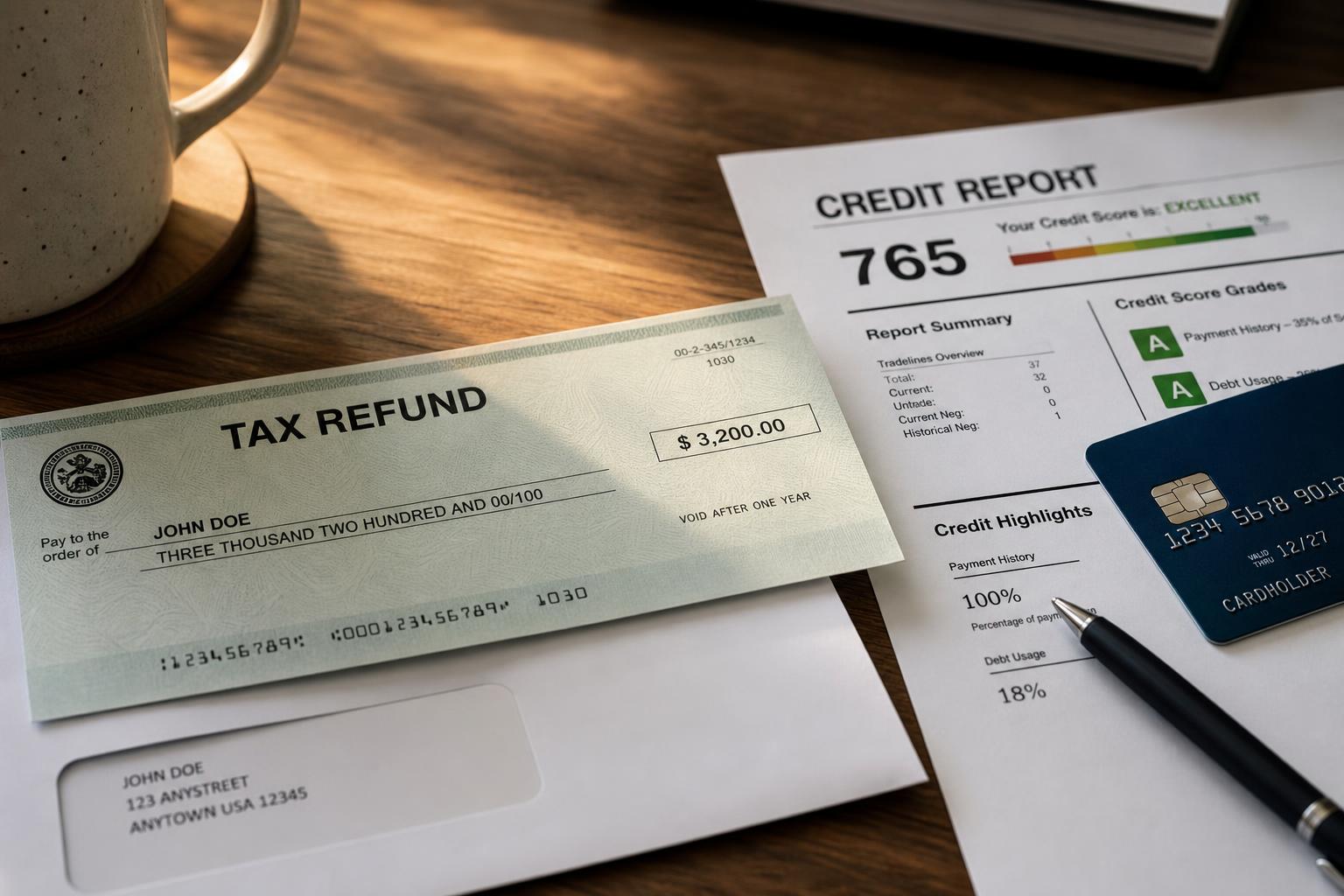
Smart Ways to Use Your Tax Refund to Improve Your Credit
A tax refund is one of the few lump sums most people get all year. Put to work, it can move your credit more than months of small efforts.
When a refund lands, it’s tempting to spend it — but a few deliberate moves can turn it into lasting credit progress. Here’s how to get the most credit benefit per dollar, roughly in priority order.
Pay down high-utilization cards first
For most people, this is the highest-impact move. Paying down credit-card balances lowers your utilization — a major scoring factor — and the change can show up on your next statement, so it’s also one of the fastest. Target the cards closest to their limits first.
Knock out a verified collection — carefully
A refund can resolve a lingering collection — but do it carefully. First verify the debt is accurate and yours, and remember that paying a collection doesn’t automatically remove it from your report. Get any agreement in writing before paying. For medical collections especially, check the current rules — some shouldn’t be reporting at all.
Build an emergency buffer
This one’s indirect but powerful. Setting aside even a small emergency fund means the next surprise expense doesn’t go straight onto a credit card — which is how utilization creeps up and debt snowballs. Protecting your credit from future shocks is as valuable as fixing past ones.
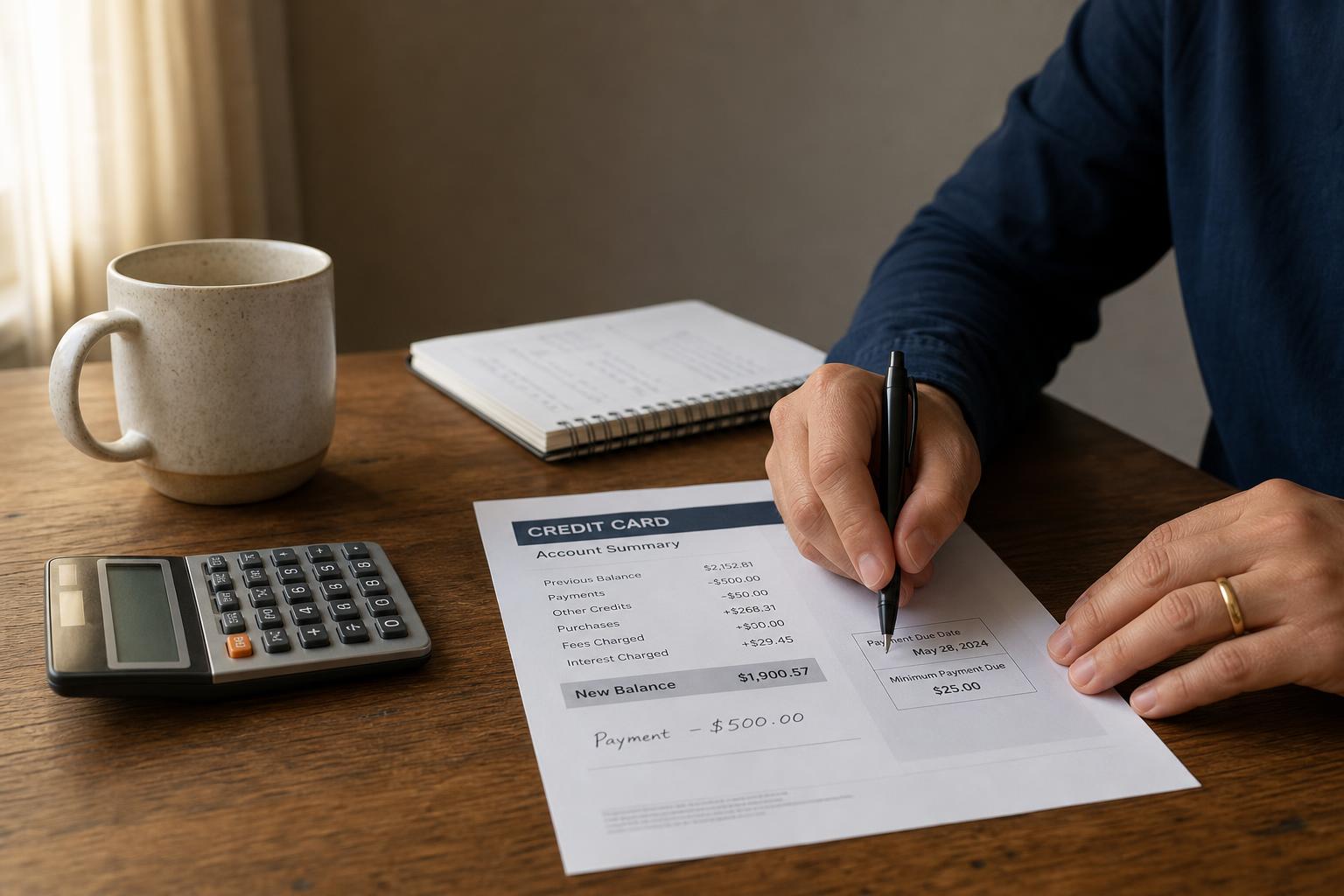
Fund a secured card
If you’re building or rebuilding, part of the refund can fund the deposit on a secured credit card — turning a one-time sum into ongoing positive payment history. It’s a small step that keeps working for you long after the refund is gone.
What not to do
A few cautions: don’t close a card right after paying it off (you’ll lose the available credit and can raise utilization), don’t pay a collection you haven’t verified, and don’t blow the whole refund on new debt-fueled spending that undoes the progress. And be wary of anyone promising to “fix” your credit with your refund — the real work is the steps above, which you can do yourself.
Key takeaways
- Paying down high-utilization cards is usually the fastest, highest-impact use of a refund.
- You can resolve a collection — but verify it first and get terms in writing; paying won’t auto-delete it.
- An emergency buffer protects your credit from future card-debt shocks.
- Funding a secured card turns a lump sum into ongoing positive history.
- Don’t close paid-off cards, pay unverified debts, or fall for refund “credit fix” pitches.
Got a refund and want it to count?
A free 15-minute review shows what’s on your credit report and where a lump sum would do the most good — so your refund makes real progress. No obligation.
Free · about 15 minutes · no credit card · no obligation.
Sources: Consumer Financial Protection Bureau (CFPB) — paying down debt, utilization, dealing with collections, and building credit. Situations vary; this is general education, not financial advice.