How to Rebuild Credit After a Setback
A rough patch — a job loss, a medical event, a missed stretch of payments — can leave a mark on your credit. Here’s the realistic path back, in order.
Rebuilding credit isn’t about a secret trick or a magic letter. It’s about working the right steps in the right order, then letting time do the part it always does.
Be wary of anyone who promises to “erase” accurate negative items or guarantee a specific score by a certain date — that’s not how credit reporting works, and it’s a classic red flag. What follows is the honest version.
First, see what’s actually reporting
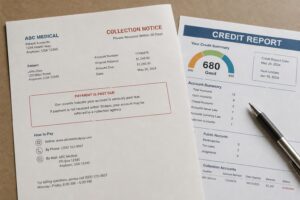
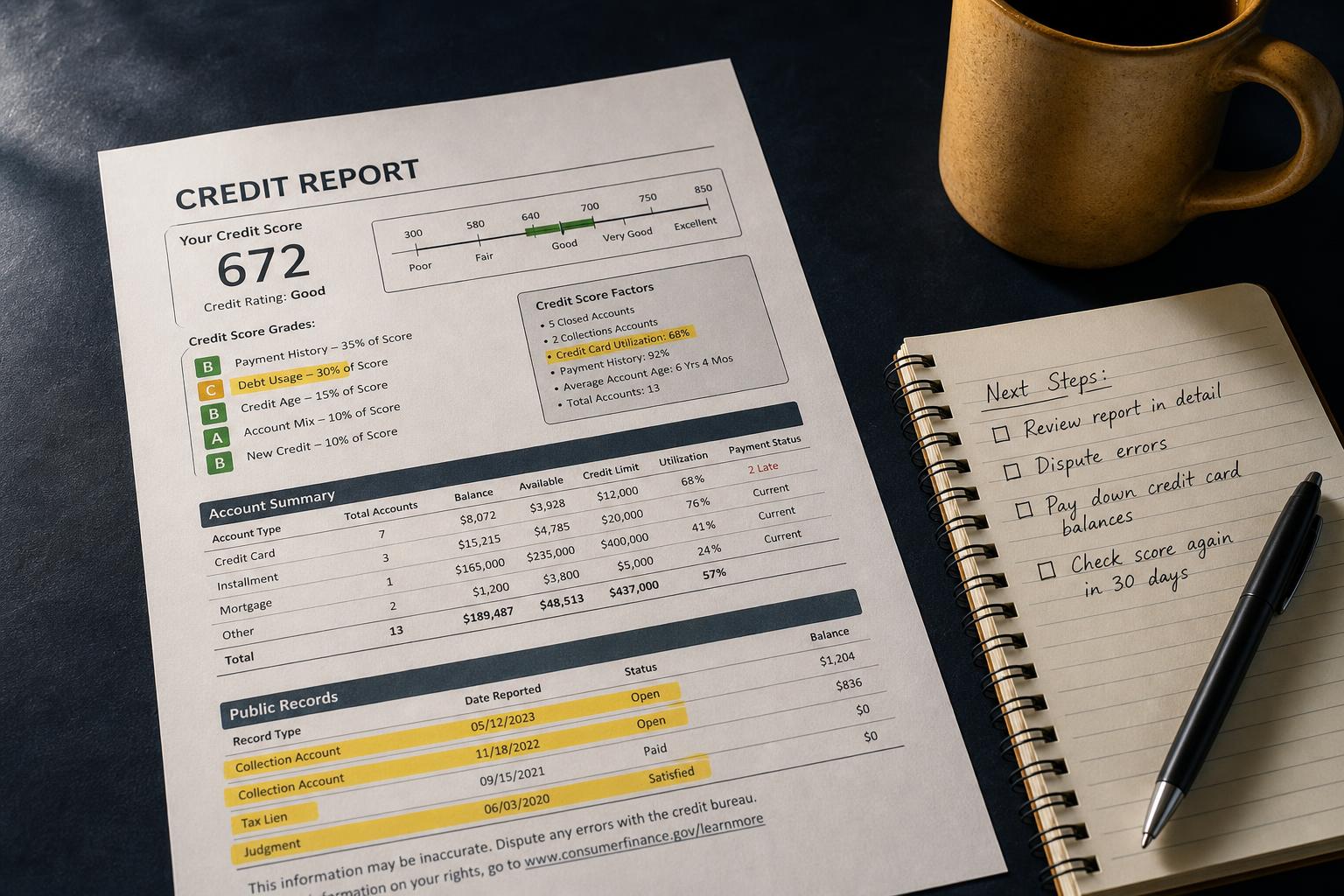
You can’t fix what you can’t see. Pull all three credit reports for free, weekly, at AnnualCreditReport.com and read them closely. Write down every negative item: late payments, collections, charge-offs, high balances, and anything you don’t recognize.
This list is your plan. Often two or three items are doing most of the damage, and naming them turns an overwhelming problem into a short to-do list.
Stop the bleeding: get current on everything
Before adding anything positive, stabilize what you have. Payment history is the biggest scoring factor, so the single most important move is to bring every open account current and keep it that way. Set up autopay for at least the minimums so nothing slips.
An account that’s late right now is actively pulling you down each month. One that’s back on track starts adding positive history immediately.
Address collections the right way
Collections need care, not panic. Before you pay or promise anything:
- Verify the debt. You can request validation that the debt is really yours, in the right amount, and that the collector has the right to collect it.
- Check the dates. Confirm when it first went delinquent — that controls how long it can report and whether it’s near the end of that window.
- Get any agreement in writing before money changes hands.
Medical collections follow their own, more forgiving rules — see how to remove medical collections. Whatever the type, paying a collection doesn’t automatically delete it from your report, so confirm what you’re getting before you act.
Lower your utilization fast
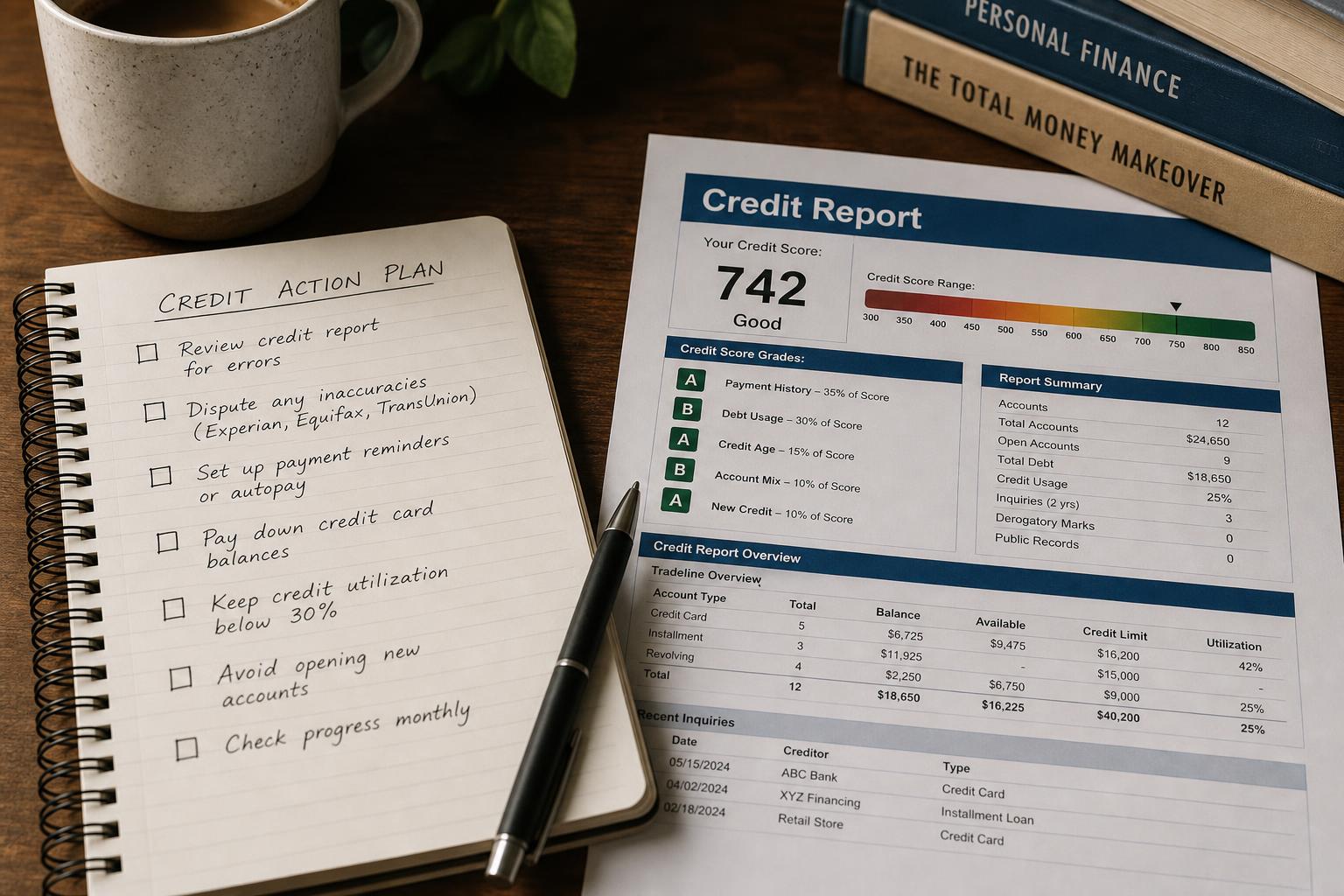
Utilization — how much of your card limits you’re using — is the fastest-moving lever you have, because it updates as balances change rather than aging out over years. Paying balances down, especially before the statement closing date, can show lower utilization on your next report.
Aim low rather than at a magic number; we explain why in the “30% rule” myth.
Add positive history back in
Recovery isn’t only about removing negatives — it’s about outweighing them with good, current accounts. If your existing cards are damaged or closed, a secured card or a credit-builder loan can restart positive payment history. Being added as an authorized user on a healthy account can help too.
Every month of on-time activity dilutes the old damage and rebuilds the part of your file lenders care about most.
Dispute genuine errors — not accurate records
Credit reports contain mistakes more often than people expect, and you have the right to dispute anything inaccurate, incomplete, or unverifiable under the Fair Credit Reporting Act. If an account isn’t yours, shows the wrong balance or status, or is past its reporting window, dispute it — here’s how to dispute a credit-report error.
One honest caveat: disputes are for errors. Accurate negative information can’t be disputed away, and services promising to remove legitimate items can’t deliver what they advertise.
A realistic timeline
Some changes show up within a billing cycle or two — getting current and lowering utilization can move things relatively quickly. Others take time, because most negative marks fall off about seven years from the original delinquency and lose weight as they age (the full schedule is in how long negative items stay). Rebuilding is measured in months and years, not days — steady beats dramatic.
Key takeaways
- Start by pulling all three reports and listing every negative item — that list is your plan.
- Get current on every account first; payment history is the biggest factor.
- Verify collections and get agreements in writing before paying — paying doesn’t auto-delete them.
- Lower utilization and add positive accounts to outweigh old damage.
- Dispute genuine errors only; accurate negatives fade with time, not with a paid “removal” service.
Build a rebuild plan around what’s really on your report
A free 15-minute review helps you see which items are weighing on your score and what order to tackle them in — no guarantees, just an honest read.
Free · about 15 minutes · no credit card · no obligation.
Sources: Consumer Financial Protection Bureau (CFPB) — rebuilding credit, dealing with debt collectors, and debt validation; Fair Credit Reporting Act (FCRA) — your right to dispute inaccurate information and the 7-year reporting limit; Fair Debt Collection Practices Act (FDCPA) — collector conduct. Rules vary by state and situation; this is general education, not legal or financial advice.