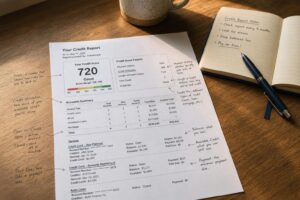

Credit Utilization and the “30% Rule” Myth
You’ve heard “keep your credit utilization under 30%.” It’s not wrong, exactly — it’s just incomplete in a way that can quietly cost you.
Credit utilization is one of the biggest forces on your score, and one of the most misunderstood. The “30% rule” gets repeated everywhere, and it leaves people thinking 29% is a safe harbor and a paid-off card always looks good.
Neither is quite true. Here’s what utilization actually is, how it’s reported, and how to keep it from holding you back.
What credit utilization actually is
Utilization is the share of your available revolving credit that you’re using. If you have a $1,000 limit and a $200 balance, that’s 20% utilization. It’s measured two ways at once:
- Per-card utilization — the ratio on each individual card.
- Overall utilization — your total balances across all cards divided by your total limits.
Both can matter. A single maxed-out card can weigh on you even if your overall ratio looks fine.
Why it’s worth about 30% of your score
In the FICO model, “amounts owed” — which is driven mostly by utilization — makes up roughly 30% of your score, second only to payment history (see how credit scores work). High utilization suggests you may be stretched and leaning on credit, which scoring models read as higher risk.
The upside of being a big factor: it’s also one you can move quickly.
The truth about the “30% rule”
The 30% figure is a useful ceiling, not a target. The reality is simpler and stricter: lower is generally better, and there’s no magic cliff at 30%. Going from 31% to 29% doesn’t flip a switch; the relationship is gradual, and the people with the highest scores tend to show utilization in the low single digits.
So don’t aim for 30%. Treat it as “don’t exceed,” and get as low as you reasonably can — 1% to 9% is an excellent zone.
When utilization gets reported (the timing trap)
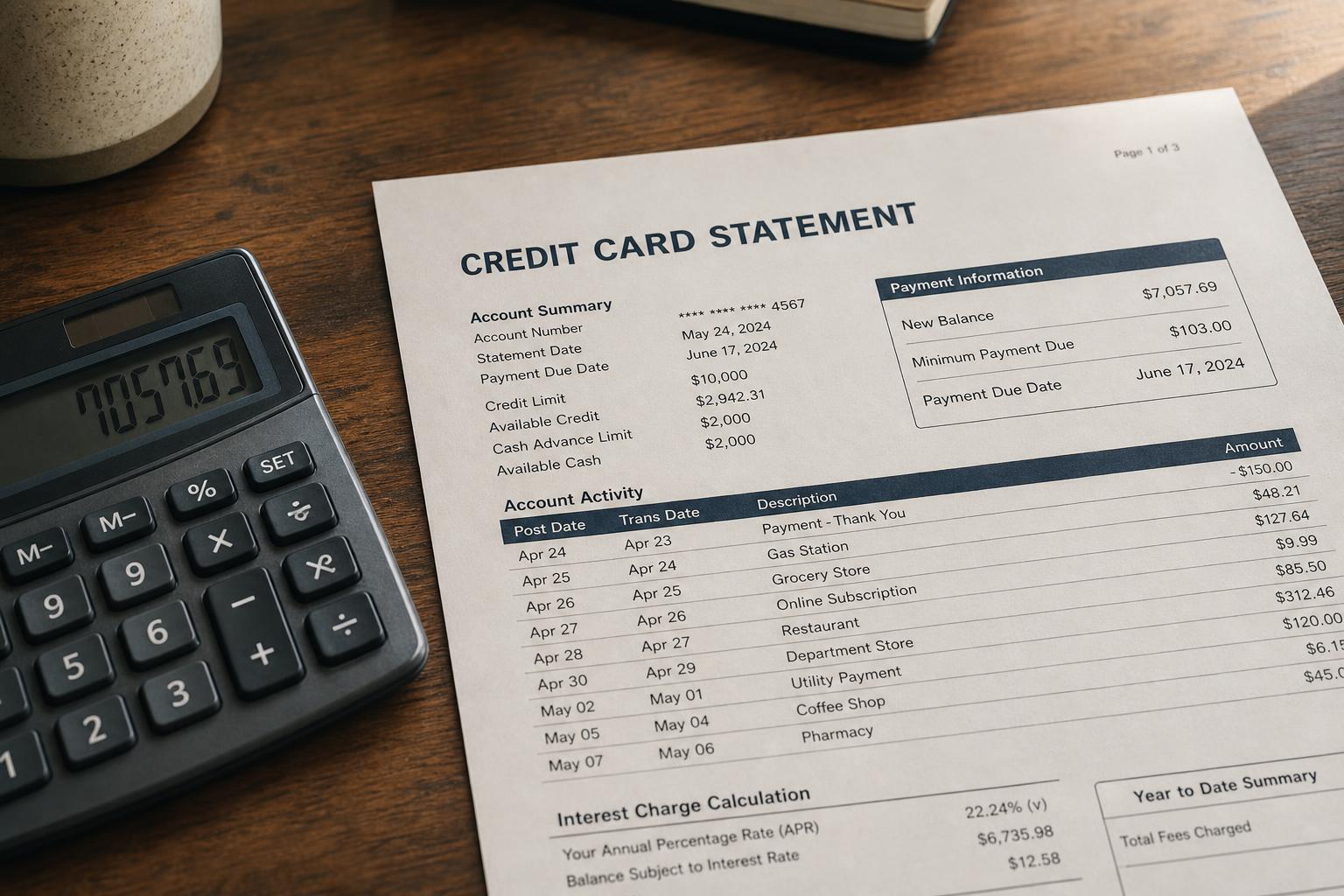
Here’s the detail that surprises people. Card issuers usually report your balance to the bureaus once a month, typically around your statement closing date — not your due date. Whatever balance is showing when they report is the number that lands on your credit report.
That’s why someone who pays in full every month can still show high utilization: their big balance gets reported before they pay it off.
Quick ways to lower your utilization
Because it updates with each reporting cycle, utilization is the most responsive lever you have:
- Pay before the statement closes, not just by the due date, so a smaller balance gets reported.
- Make a mid-cycle payment if you charge a lot, to knock the balance down before the snapshot.
- Ask for a higher limit (without raising your spending) — more available credit lowers the ratio. Confirm whether it triggers a hard inquiry.
- Keep older cards open, since closing one removes its limit and can spike your overall ratio.
Why a paid-off card can still show a balance
If you pay your card to zero and still see a balance on your credit report, it’s almost always the timing above: the report reflects the last statement snapshot, and it’ll update on the next cycle. Utilization also isn’t a memory — it reflects your current reported balances, so it can improve as quickly as it slipped.
One more myth to retire: you do not need to carry a balance to build credit. Paying in full is ideal — it avoids interest and still reports positive history.
Key takeaways
- Utilization is your balances divided by your limits — measured per-card and overall.
- It’s about 30% of your FICO score, second only to payment history.
- There’s no cliff at 30% — lower is better, and low single digits is ideal.
- Issuers report around the statement closing date, so pay before then to report a smaller balance.
- A paid-off card showing a balance is just timing; you never need to carry a balance to build credit.
Curious what your report shows right now?
A free 15-minute review walks through what’s actually reporting — including the balances and limits driving your utilization — so you can act on facts, not guesses.
Free · about 15 minutes · no credit card · no obligation.
Sources: Consumer Financial Protection Bureau (CFPB) — credit utilization and how balances affect scores; FICO — the “amounts owed” scoring category. Reporting dates and limit-increase policies vary by issuer. This is general education, not financial advice.