Rent-to-Own vs. Renting vs. Buying: The Real Trade-offs
Rent-to-own is pitched as a shortcut to ownership. Sometimes it is — and sometimes it’s an expensive detour. Here’s the honest comparison.
If buying a home feels out of reach but renting feels like throwing money away, rent-to-own can look like the perfect middle path. It can work — but only if you understand what you’re really signing up for versus plain renting or buying.
How each one works
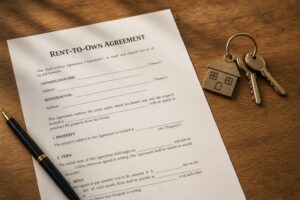
Renting is straightforward: you pay to live somewhere, with no ownership stake. Buying means getting a mortgage and owning outright. Rent-to-own sits between: you rent now under a contract that gives you the option (or obligation) to buy later, often with a portion of rent and an up-front fee credited toward the eventual purchase.
Up-front and monthly cost compared
The money works differently in each. Renting has the lowest commitment — a deposit and monthly rent. Buying has high up-front costs (down payment, closing) but builds equity. Rent-to-own typically asks for an option fee and often above-market rent, with a slice set aside toward the purchase — so you pay more monthly in exchange for a path to ownership.
The rent-to-own catch
Here’s the part the pitch glosses over: at the end of a rent-to-own term, you still usually need to qualify for a mortgage to actually buy. If your credit isn’t ready by then, you can lose the option fee and the rent credits you paid toward the purchase. The arrangement only pays off if you genuinely become mortgage-ready in time. Our deeper look at rent-to-own homes with bad credit covers the fine print.
Who each option suits
Match the choice to your situation:
- Renting — if you value flexibility or aren’t sure you’ll stay.
- Buying — if you can qualify now and plan to stay put.
- Rent-to-own — if you’re close to mortgage-ready, want a specific home, and can realistically clear the credit bar by the deadline.

The credit angle: get mortgage-ready
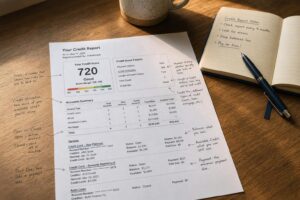
For both buying and rent-to-own, your credit is the gatekeeper. The most valuable move — before signing any rent-to-own contract — is to understand exactly where your credit stands and what it would take to qualify for a mortgage. That tells you whether rent-to-own is a real path or a costly bet.
A quick decision checklist
Before choosing, ask: Can I qualify for a mortgage now or realistically soon? What exactly is credited toward a purchase, and what do I lose if I don’t buy? Is the rent above market, and is the price locked? Who handles repairs? Get the answers in writing — the clearer the contract, the safer the deal.
Key takeaways
- Renting is lowest-commitment; buying builds equity; rent-to-own is a costlier middle path.
- Rent-to-own usually means an option fee and above-market rent, partly credited to a purchase.
- The catch: you still need a mortgage at the end — miss it and you can lose the fee and credits.
- It suits people who are close to mortgage-ready and want a specific home.
- Get mortgage-ready credit-wise first, and get every term in writing before signing.
Considering rent-to-own?
A free 15-minute review shows where your credit stands and what it would take to get mortgage-ready — so you know if rent-to-own is a real path for you. No obligation.
Free · about 15 minutes · no credit card · no obligation.
Sources: Federal Trade Commission (FTC) and Consumer Financial Protection Bureau (CFPB) — rent-to-own and lease-purchase agreements, mortgages, and renting. Contract terms vary widely; this is general education, not legal or financial advice.