
What a Secured Credit Card Is and How to Use It
If you’re starting or rebuilding credit, one tool does more than any other. Here’s exactly how a secured credit card works — and how to use it well.
When you have little or damaged credit, most regular cards are out of reach — and that’s exactly the gap a secured credit card is built to fill. It’s a real credit card that almost anyone can get, and used correctly, it’s one of the most reliable ways to build a positive track record.
Here’s how it works, how it’s different from the card already in your wallet, and how to get the most out of it.
What is a secured credit card?
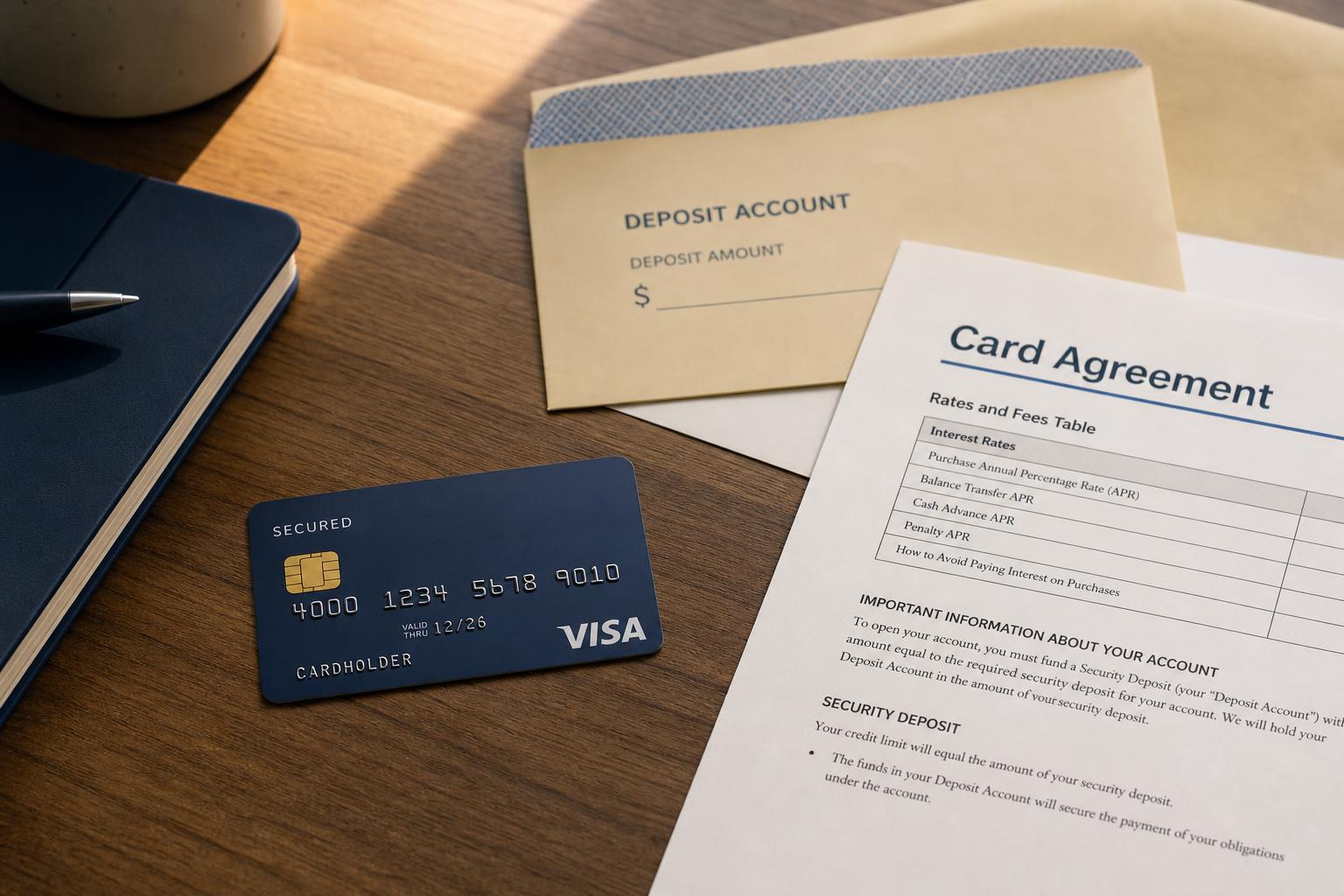
A secured credit card works like an ordinary credit card, with one difference: you put down a refundable security deposit when you open it, and that deposit usually sets your credit limit. Put down $300, and you typically get a $300 limit.
The deposit lowers the issuer’s risk, which is why they’ll approve people that unsecured cards turn down. You still get a monthly statement, you still owe what you charge, and — crucially — the account is reported to the credit bureaus.
How it differs from a debit or prepaid card
This trips a lot of people up. Your deposit sounds like prepaid money, but a secured card behaves nothing like a debit or prepaid card:
- The deposit isn’t spent. It sits as collateral; you pay your bill from your regular income, like any credit card.
- It reports to the bureaus. Debit and prepaid cards build no credit history at all; a secured card does.
- It can charge interest if you carry a balance — another reason to pay in full.
In other words, the deposit is what gets you in the door; the credit building comes from how you use the card.
How a secured card builds credit
Each month, the issuer reports your account — your balance, your limit, and whether you paid on time — to the credit bureaus. That steady stream of on-time payments becomes positive payment history, the single largest factor in your score (see how credit scores work).
Do that for several months and you build the kind of record that eventually qualifies you for unsecured cards and better terms.
What to look for in a secured card
Not all secured cards are equal. Before you apply, check that it:
- Reports to all three bureaus (Equifax, Experian, TransUnion). If it doesn’t report, it can’t build credit — this is non-negotiable.
- Has low or no annual and monthly fees. Avoid cards that eat your deposit with charges; legitimate options are inexpensive.
- Offers a path to “graduate” to an unsecured card and return your deposit after responsible use.
- Has a deposit you can actually afford — many start around $200–$300.
How to use it the right way
The strategy is almost boring, and that’s the point:
- Charge a little. One small recurring bill (a streaming subscription, a tank of gas) is plenty.
- Keep the balance low. Using a small share of your limit keeps utilization down — see the “30% rule” myth.
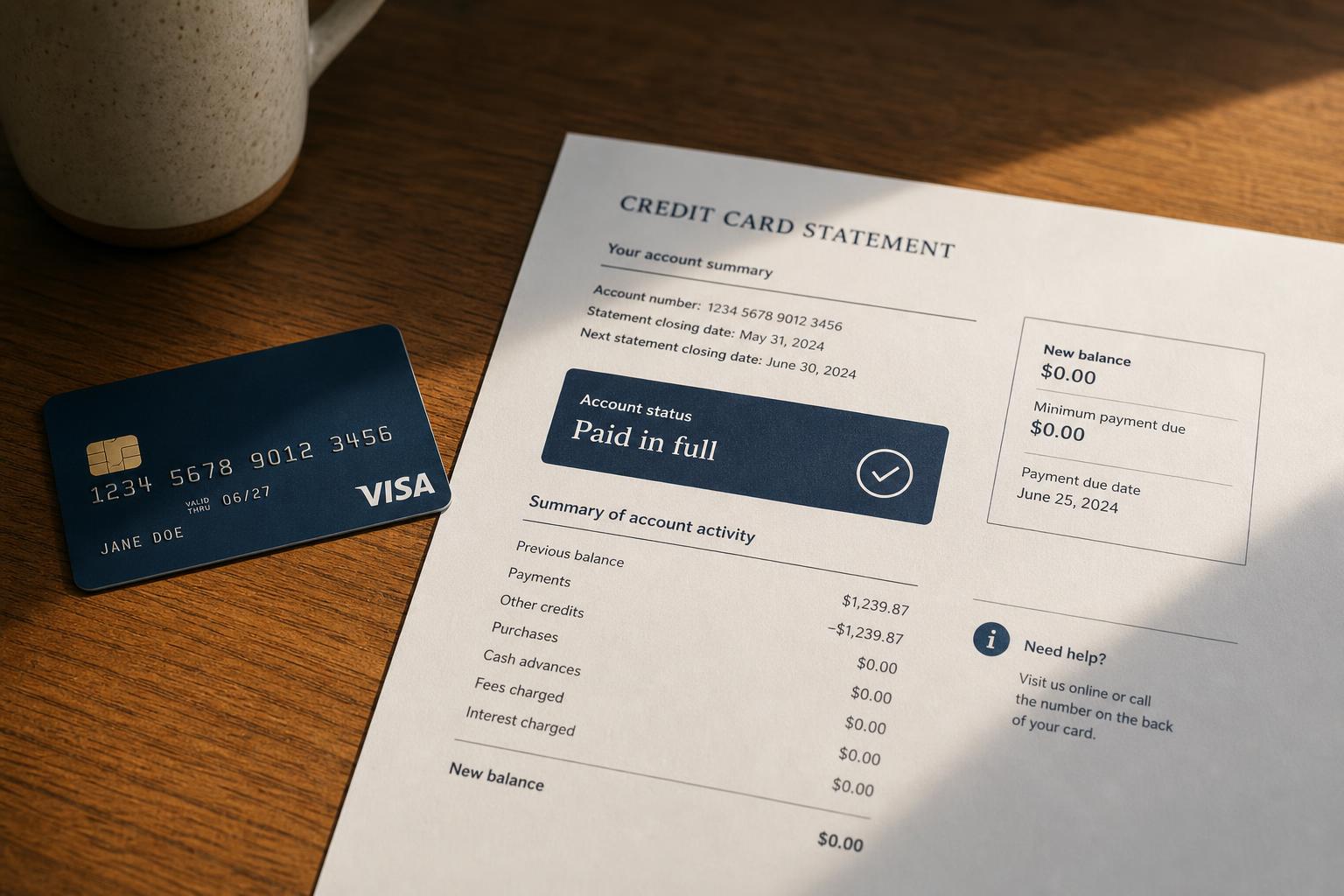
- Pay the statement in full, on time, every month. That’s what gets reported as positive history, and it means no interest.
You don’t need to carry a balance to build credit — that’s a myth. On-time, paid-in-full is the whole recipe.
When do you get your deposit back?
Your deposit is refundable. You generally get it back when you either close the account in good standing or graduate to an unsecured card — many issuers review accounts periodically and upgrade responsible users automatically, returning the deposit as a statement credit or refund.
A secured card is best thought of as a stepping stone: use it well for a while, graduate or move on, and keep the positive history it built. For where it fits in the bigger plan, see how to build credit from scratch.
Key takeaways
- A secured card is a real credit card backed by a refundable deposit that usually sets your limit.
- Unlike debit or prepaid cards, it reports to the bureaus and builds credit history.
- Only choose one that reports to all three bureaus and has low fees.
- Charge a little, keep the balance low, and pay in full on time — no need to carry a balance.
- The deposit comes back when you close in good standing or graduate to an unsecured card.
Wondering if a secured card is your right next step?
A free 15-minute review looks at where your credit stands and which starter or rebuild steps fit your situation — with no pressure and no obligation.
Free · about 15 minutes · no credit card · no obligation.
Sources: Consumer Financial Protection Bureau (CFPB) — secured credit cards, how they build credit, and what to compare; general bureau-reporting practices under the Fair Credit Reporting Act (FCRA). Card terms, fees, and graduation policies vary by issuer — read the agreement. This is general education, not financial advice.