
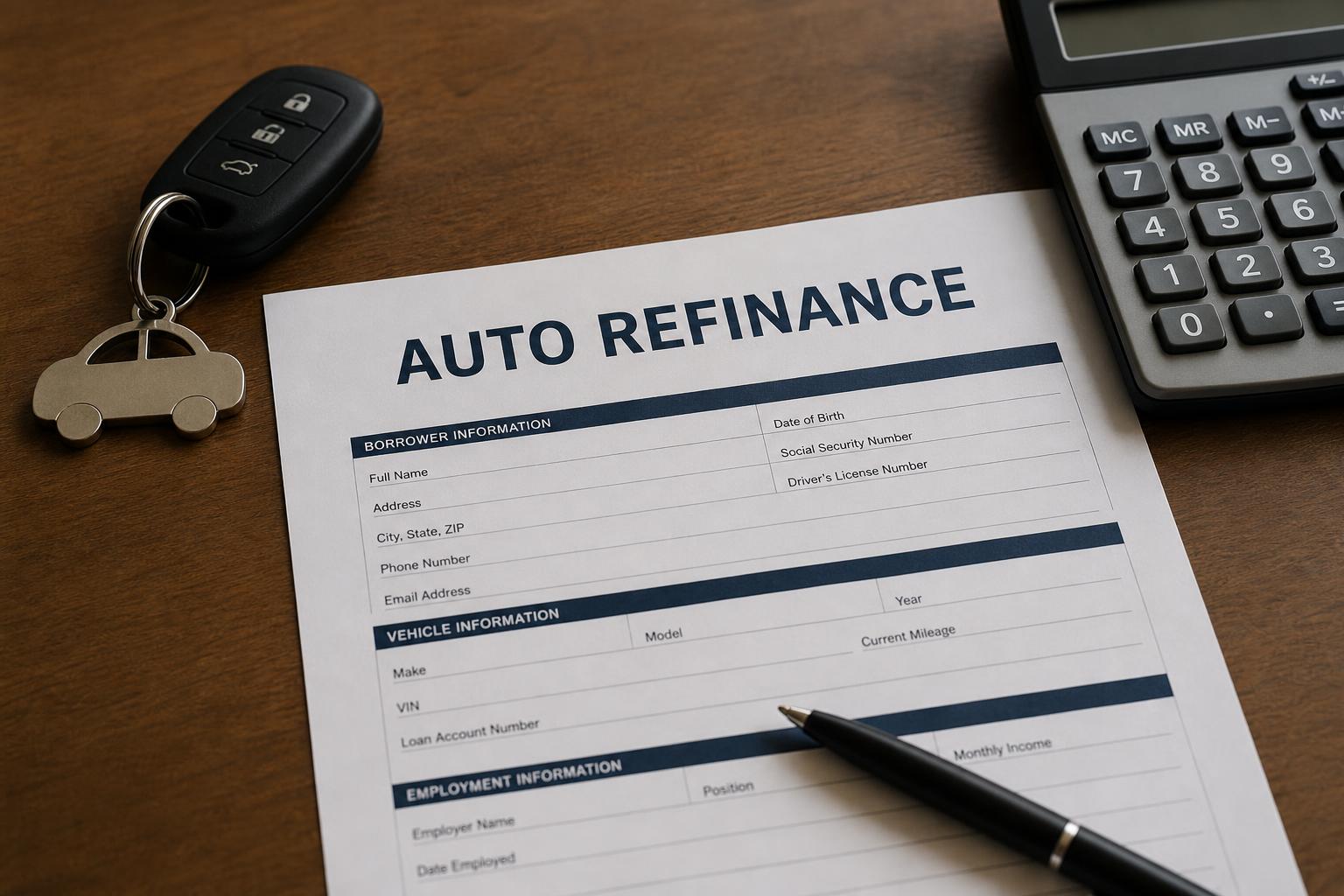
Should You Refinance Your Car Loan?
If your credit has improved since you bought, refinancing can quietly save you real money — but only if the math actually works.
Refinancing a car loan means replacing your current loan with a new one, ideally at a lower rate. Done right, it can cut your interest and your payment. Done carelessly, it can cost you more. Here’s how to tell which side you’re on.
When refinancing makes sense
Refinancing tends to pay off when one or more of these is true: your credit has improved since you bought, rates have dropped, you were sold a high dealer rate originally, or your budget needs a lower monthly payment. If none apply, there may be little to gain.
Improved credit since you bought
This is the most common win. If you financed with bruised credit — or through a buy-here-pay-here or subprime lender — and you’ve since built your score, you may now qualify for a much better tier and rate. The gap between a subprime and a prime auto rate is large, so even a moderate credit improvement can translate into meaningful savings.
How much you could save
Do the math before anything else. Compare your current rate, balance, and remaining term against a new offer, and look at the total interest over the life of each — not just the monthly payment. A lower rate on the same term saves real money; a lower payment achieved only by stretching the term can actually cost more overall.
The catches to watch
Refinancing isn’t free of traps:
- Stretching the term lowers the payment but can raise total interest.
- Fees — title, registration, or prepayment penalties on the old loan — can eat the savings.
- Being underwater (owing more than the car is worth) makes refinancing harder and less worthwhile.
- An older or high-mileage car may not qualify with some lenders.

The credit-pull impact
Applying to refinance triggers a hard inquiry, usually a small, temporary dip. If you shop several lenders, cluster the applications into a short window so the inquiries count as one. Better yet, prequalify with a soft pull first to compare rates before any hard inquiry.
How to shop
Get quotes from a few sources — your bank, a credit union, and online auto lenders — within a tight window, compare the total cost (rate, term, fees), and choose the one that genuinely lowers what you’ll pay without dragging the term out. If the numbers don’t clearly improve, it’s fine to keep the loan you have.
Key takeaways
- Refinancing helps most when your credit improved, rates dropped, or your original rate was high.
- A better credit tier since you bought is the most common reason it pays off.
- Compare total interest, not just the monthly payment — stretching the term can cost more.
- Watch for fees, prepayment penalties, and being underwater on the loan.
- Prequalify with a soft pull, cluster any hard inquiries, and only refinance if the math wins.
Credit better than when you bought?
A free 15-minute review shows where your credit stands now — and whether it’s strong enough that refinancing could save you money. No obligation.
Free · about 15 minutes · no credit card · no obligation.
Sources: Consumer Financial Protection Bureau (CFPB) — auto-loan refinancing, rate shopping, and inquiries. Rates, fees, and eligibility vary by lender and vehicle; this is general education, not financial advice.