
Getting Your First Apartment With No Rental History
Every renter starts with zero rental history — the trick is giving a landlord other reasons to say yes.
Renting your first place is a chicken-and-egg problem: landlords like to see rental history, and you can’t have any until someone rents to you. It’s a real hurdle, but a beatable one.
Here’s how to get approved when your rental résumé is blank.
Why no rental history is a hurdle
A landlord’s main worry is whether you’ll pay on time and care for the place. Past rentals are the easiest proof, so with none, the landlord has less to go on — especially if your credit is also thin. The fix isn’t to manufacture history; it’s to replace it with other evidence that you’re reliable.
What to offer instead
Lead with the strengths you do have:
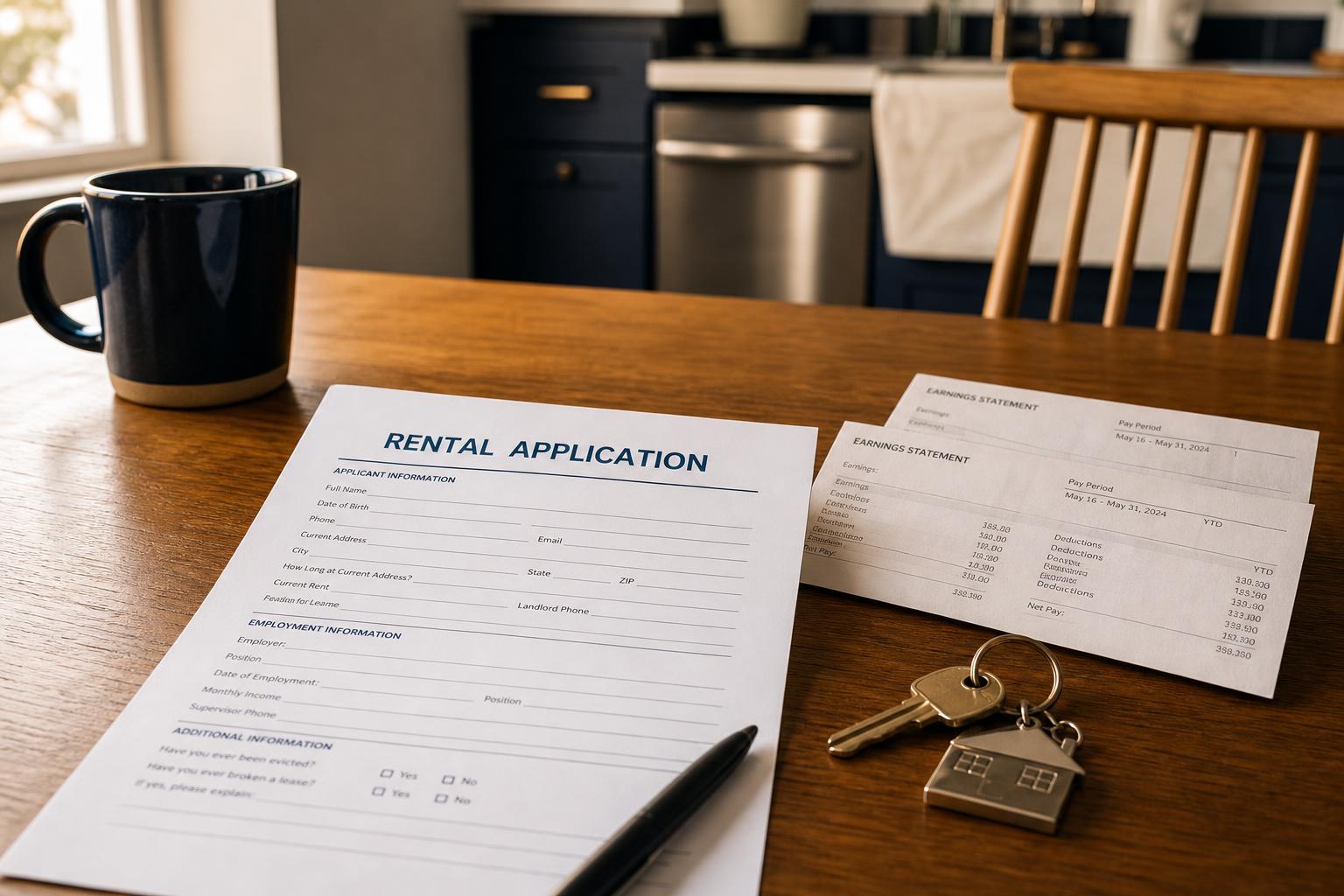
- Proof of income — pay stubs or an offer letter showing you comfortably afford the rent (many landlords look for roughly 3x rent).
- A larger deposit or a couple months’ rent up front, if you can, to lower the landlord’s risk.
- Character references — an employer, a previous roommate, anyone who can vouch for your reliability.
- A clean (if thin) credit report, which you can check first (see what score you need to rent).
A guarantor or cosigner
If your own application is light, a guarantor or cosigner with solid income and credit can tip the decision — they promise to cover the rent if you can’t. Understand the difference and the risk to whoever helps you in cosigner vs. guarantor before you ask.

Build a renter résumé
Package yourself like a strong candidate. Put together a simple folder: a brief cover note, proof of income, references with contact info, your credit summary, and a short explanation of anything that needs context. Showing up organized and prepared signals exactly the reliability the landlord is trying to verify.
Where to look
Aim where flexibility lives. Individual landlords and small properties can weigh your full application, where big complexes may apply a rigid score cutoff. A roommate situation, or sub-letting first to build a track record, can also get you started. The same flexible-landlord approach that helps people with bad credit and no cosigner works for no-history renters too.
Key takeaways
- Everyone starts with no rental history — replace it with other proof of reliability.
- Lead with income, a larger deposit, references, and a clean (if thin) credit report.
- A guarantor or cosigner with strong credit can offset a light application.
- Assemble a simple renter résumé so you show up organized and credible.
- Target individual landlords and small properties, which weigh the whole picture.
Renting for the first time?
A free 15-minute review shows what a landlord will see on your credit — and how to present a thin file in the best light. No obligation.
Free · about 15 minutes · no credit card · no obligation.
Sources: Consumer Financial Protection Bureau (CFPB) — renting and tenant screening; Federal Trade Commission (FTC) — renter rights. Landlord criteria vary by property and state; this is general education, not legal advice.