
How to Set Up a Hospital Payment Plan
A big medical bill doesn’t have to go on a credit card or into collections. Often, the hospital will work with you — if you ask the right way.
When a medical bill lands that you can’t pay at once, the worst move is to ignore it or reflexively put it on a high-interest card. A hospital payment plan — and the assistance programs many hospitals are required to offer — is usually the smarter path.
Here’s how to set one up.
Why a plan beats a credit card or collection
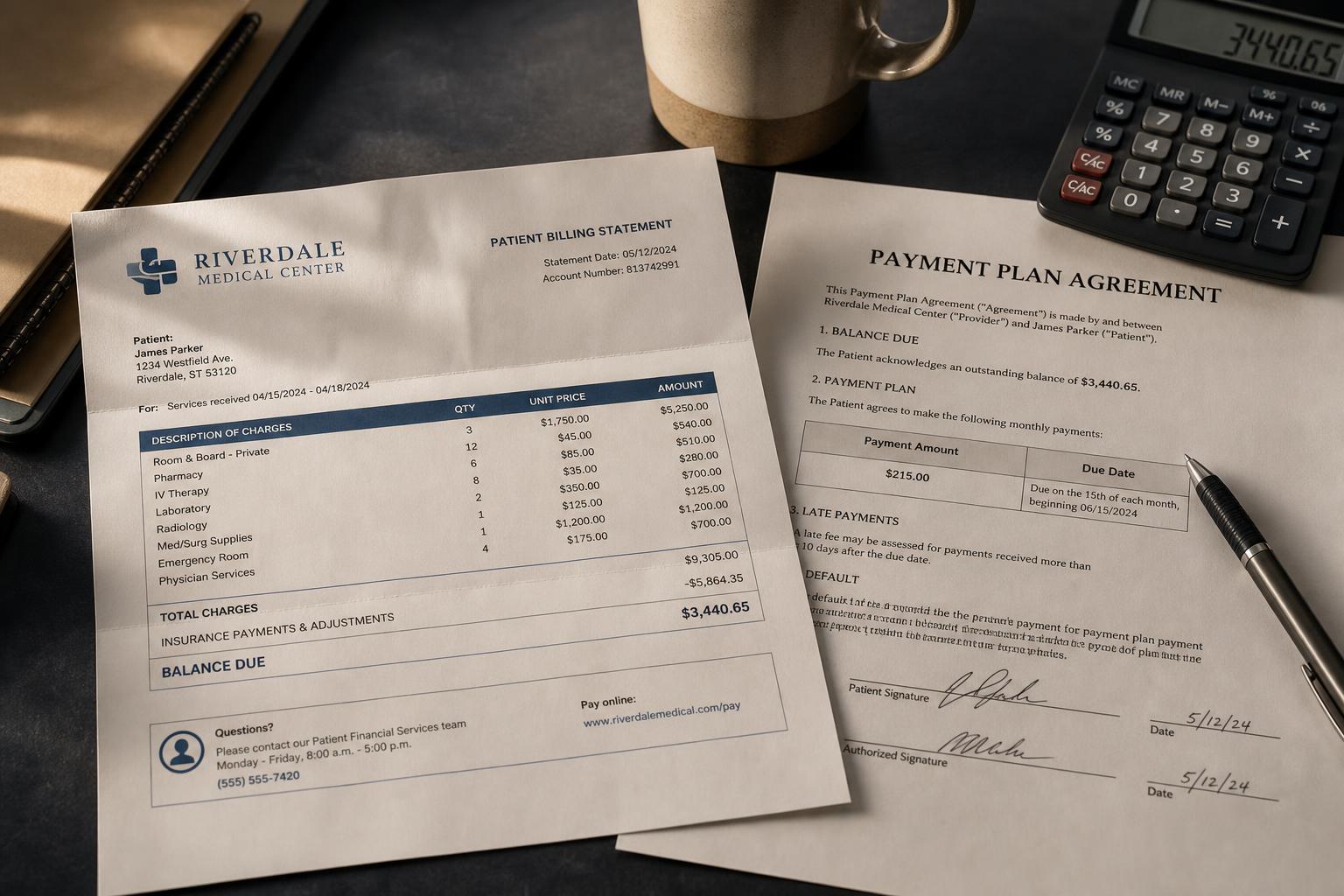
A payment plan directly with the provider is often interest-free, keeps the bill out of collections, and avoids the high interest of a credit card. That protects both your finances and your credit — an unpaid bill that reaches collections is what can eventually hurt you (see do medical bills affect your credit), and a plan in good standing keeps you clear of that.
Ask for an itemized bill first
Before you agree to pay anything, request an itemized bill and check it against your insurance explanation of benefits. Medical billing errors are common — duplicate charges, services you didn’t receive, or a claim your insurer should have paid. Don’t set up a plan for a number you haven’t verified.
Ask about financial assistance and charity care
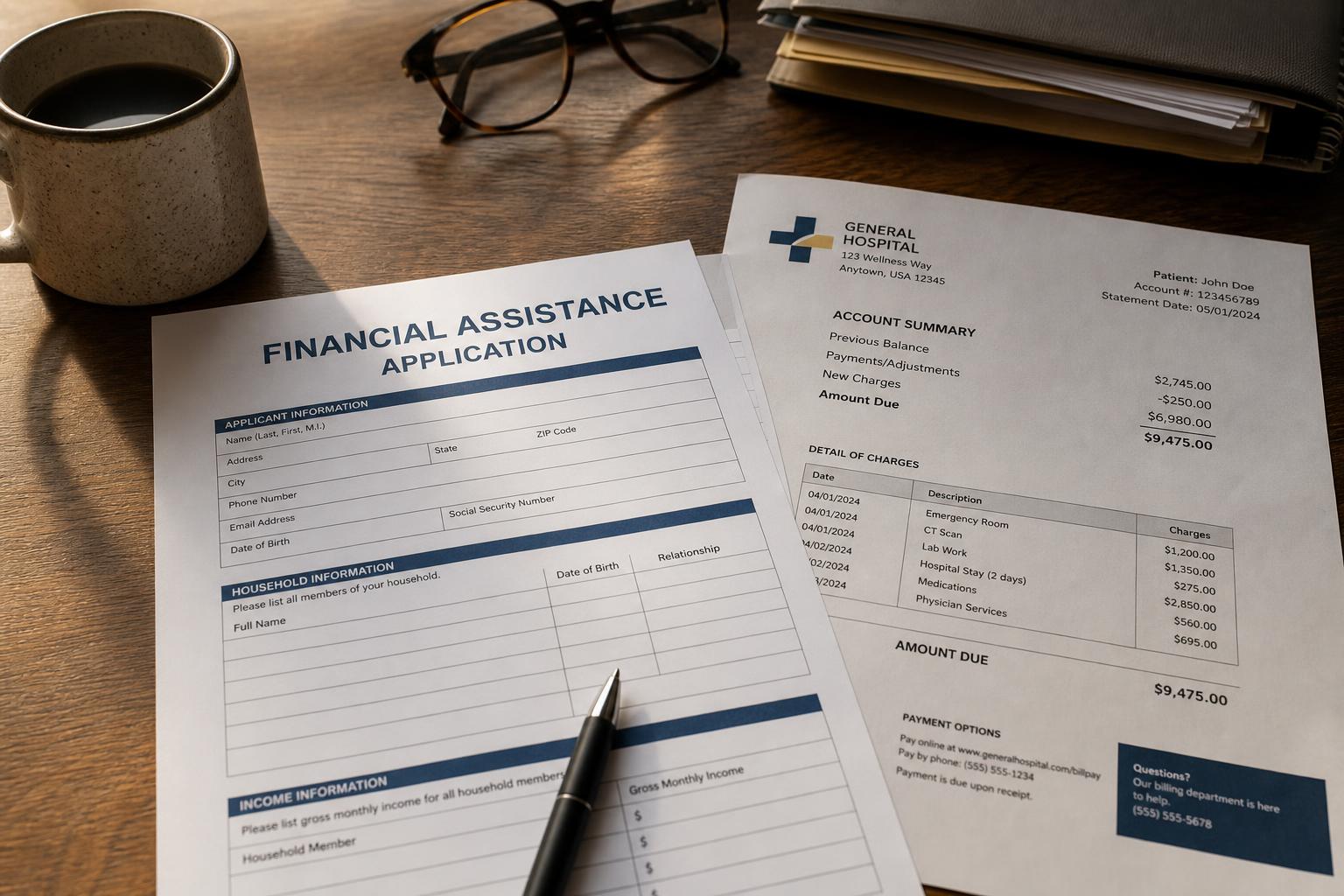
This is the step people miss. Nonprofit hospitals are required to maintain financial assistance (charity care) policies, and many other providers offer them too — reducing or even eliminating the bill for patients who qualify by income. Ask specifically for the financial assistance application before agreeing to a plan; you may owe far less than the sticker amount.
Negotiate a sustainable plan
If you still owe a balance, negotiate terms you can actually keep. Ask for a monthly amount that fits your budget, confirm there’s no interest (many hospital plans have none), and don’t agree to payments so high you’ll miss them. You can also ask whether a reduced lump-sum settlement is possible. A plan you can sustain beats an ambitious one that collapses.
Get the terms in writing
Always get the agreement in writing before money changes hands: the total owed, the monthly amount, the duration, that it’s interest-free, and confirmation the account won’t be sent to collections while you pay as agreed. Keep records of every payment.
Keep it out of collections
The goal of the whole exercise is to keep the bill with the provider and out of a collection agency’s hands. Stay current on the plan, keep communicating if your situation changes, and address problems early. Handled this way, a large medical bill can be resolved without ever touching your credit. For lowering the balance itself, see how to negotiate a medical bill.
Key takeaways
- A provider payment plan is often interest-free and keeps the bill out of collections.
- Get an itemized bill and check it against your insurance before paying.
- Ask about financial assistance / charity care — nonprofit hospitals must offer it.
- Negotiate a monthly amount you can sustain, with no interest, and confirm no collections.
- Get every term in writing and stay current to keep the bill off your credit.
Facing a medical bill you can’t pay at once?
A free 15-minute review helps you understand what’s reporting and your options — before you pay, settle, or set up a plan. No obligation.
Free · about 15 minutes · no credit card · no obligation.
Sources: Consumer Financial Protection Bureau (CFPB) — medical bills and payment options; IRS Section 501(r) — financial-assistance requirements for nonprofit hospitals. Policies vary by provider and state; this is general education, not financial or medical advice.