How to Tell If Your Identity Has Been Stolen
Identity theft is easiest to stop early — if you know what to look for. Here are the red flags, from obvious to easy-to-miss.
Stolen identities rarely announce themselves. The damage usually starts quietly — a small charge, a piece of unexpected mail, a credit alert — and the sooner you catch it, the less harm it does.
Here’s what to watch for, and what to do the moment something looks off.
Warning signs on your statements
Your bank and card statements are the front line. Watch for charges you don’t recognize — including small “test” charges thieves use to check that a card works before a bigger one. Also note missing statements (a thief may have changed your address) or sudden trouble logging into accounts.
Signs on your credit report
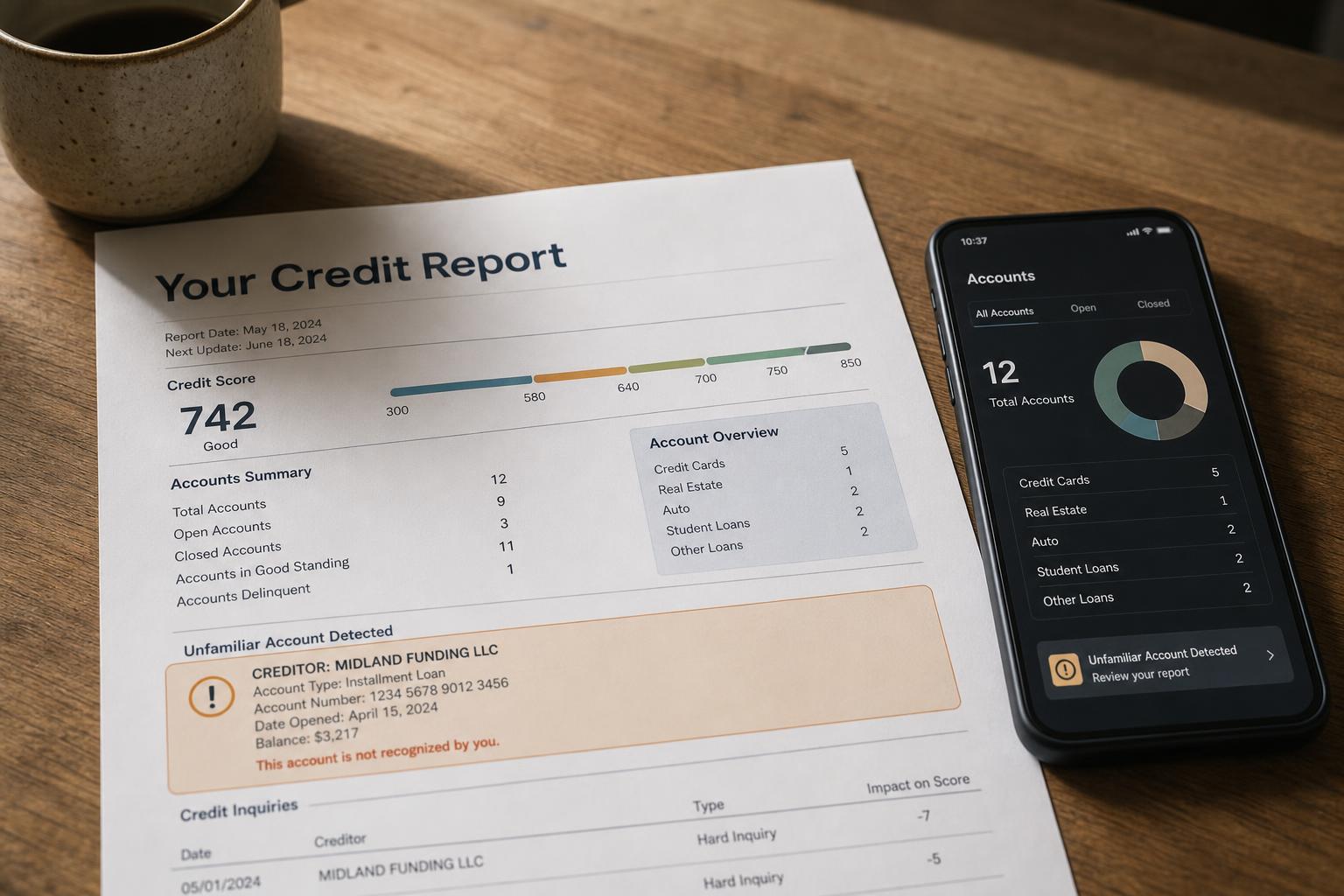
Your credit report reveals new-account fraud. Red flags include accounts or inquiries you don’t recognize, a sudden unexplained score drop, or a collection for a debt that isn’t yours. Checking regularly (it’s a soft pull, so it never hurts) is one of the best early-warning systems you have.
Mail, bills, and account oddities
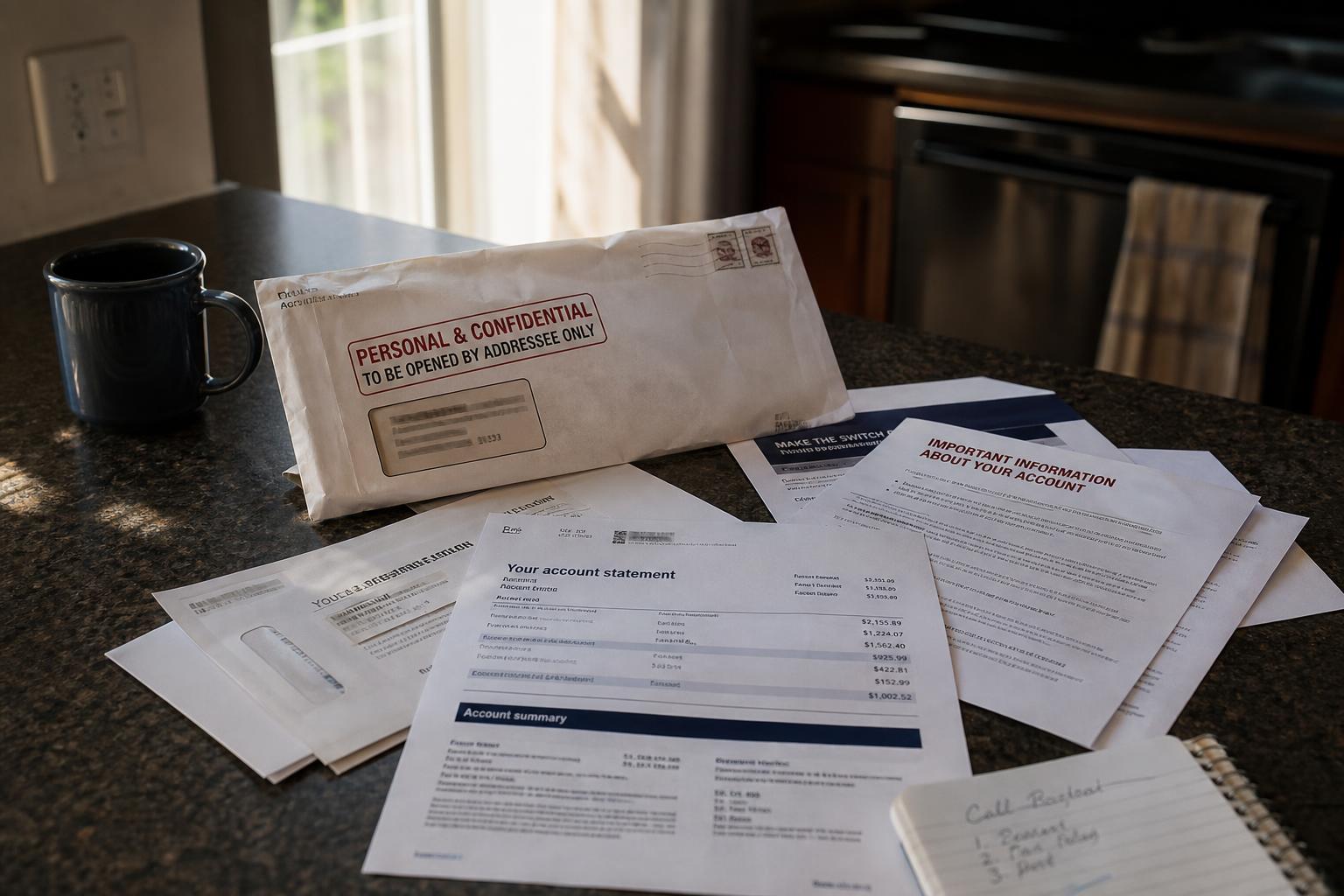
Watch your mailbox and inbox too: bills or collection notices for accounts you never opened, calls about purchases you didn’t make, a denial for credit you didn’t apply for, or 2-factor codes arriving when you weren’t logging in. Any of these can mean someone is using your information.
Tax and benefits red flags
Some of the most damaging identity theft hits taxes and benefits. Signs include a tax return rejected because one was already filed under your Social Security number, an IRS notice about wages from an employer you don’t know, or unexpected letters about government benefits you didn’t apply for. These warrant immediate attention.
How to confirm it
If something looks wrong, confirm before you panic. Pull your credit reports from all three bureaus and review every account and inquiry, contact the bank or creditor about any unfamiliar activity, and check your accounts for changed contact details. The official hub for victims, IdentityTheft.gov, can also help you confirm and document what happened.
First steps if it happened
If you confirm fraud, act quickly: place a fraud alert or credit freeze, change passwords and turn on 2-factor authentication, report it at IdentityTheft.gov to get a recovery plan, and dispute fraudulent accounts and charges. If your exposure came from a breach, follow the fuller checklist in what to do after a data breach.
Key takeaways
- Watch statements for unfamiliar or small “test” charges and missing mail.
- Check your credit report for accounts, inquiries, or collections you don’t recognize.
- Unexpected bills, denials, or 2-factor codes can all signal identity theft.
- Tax-return rejections and unknown-employer notices are serious red flags.
- If confirmed, freeze or alert your credit, secure your accounts, and report at IdentityTheft.gov.
Worried something’s wrong on your credit?
A free 15-minute review helps you spot unfamiliar accounts or activity on your credit report — an early read on whether your identity may be compromised.
Free · about 15 minutes · no credit card · no obligation.
Sources: Federal Trade Commission (FTC, IdentityTheft.gov) — identity-theft warning signs and recovery; Consumer Financial Protection Bureau (CFPB) — spotting fraud on your credit report. General education, not legal advice.