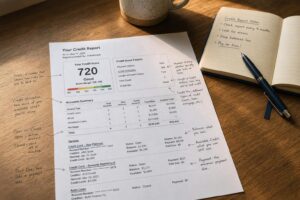
How to Start Building Business Credit
Business credit is its own thing — and building it lets your company qualify for funding without leaning entirely on your personal credit.
Just like a person, a business can have its own credit profile — and building one is how a company graduates from relying on the owner’s personal credit to standing on its own. It takes some setup, but the steps are straightforward.
Business credit vs. personal credit
Business credit is a separate track record tied to your company, reported by business credit bureaus and built from how the business pays its vendors, cards, and loans. Early on, lenders lean on your personal credit; as business credit develops, the company can increasingly qualify on its own merits.
Set up the basics
First, make the business a real, separate entity in the eyes of lenders and bureaus:
- Form a legal entity (LLC or corporation) so the business is distinct from you.
- Get an EIN (federal tax ID) from the IRS — the business’s equivalent of an SSN.
- Open a business bank account in the company’s name.
- Register for a D-U-N-S number, used by a major business credit bureau.
Use net-30 vendors and a business card
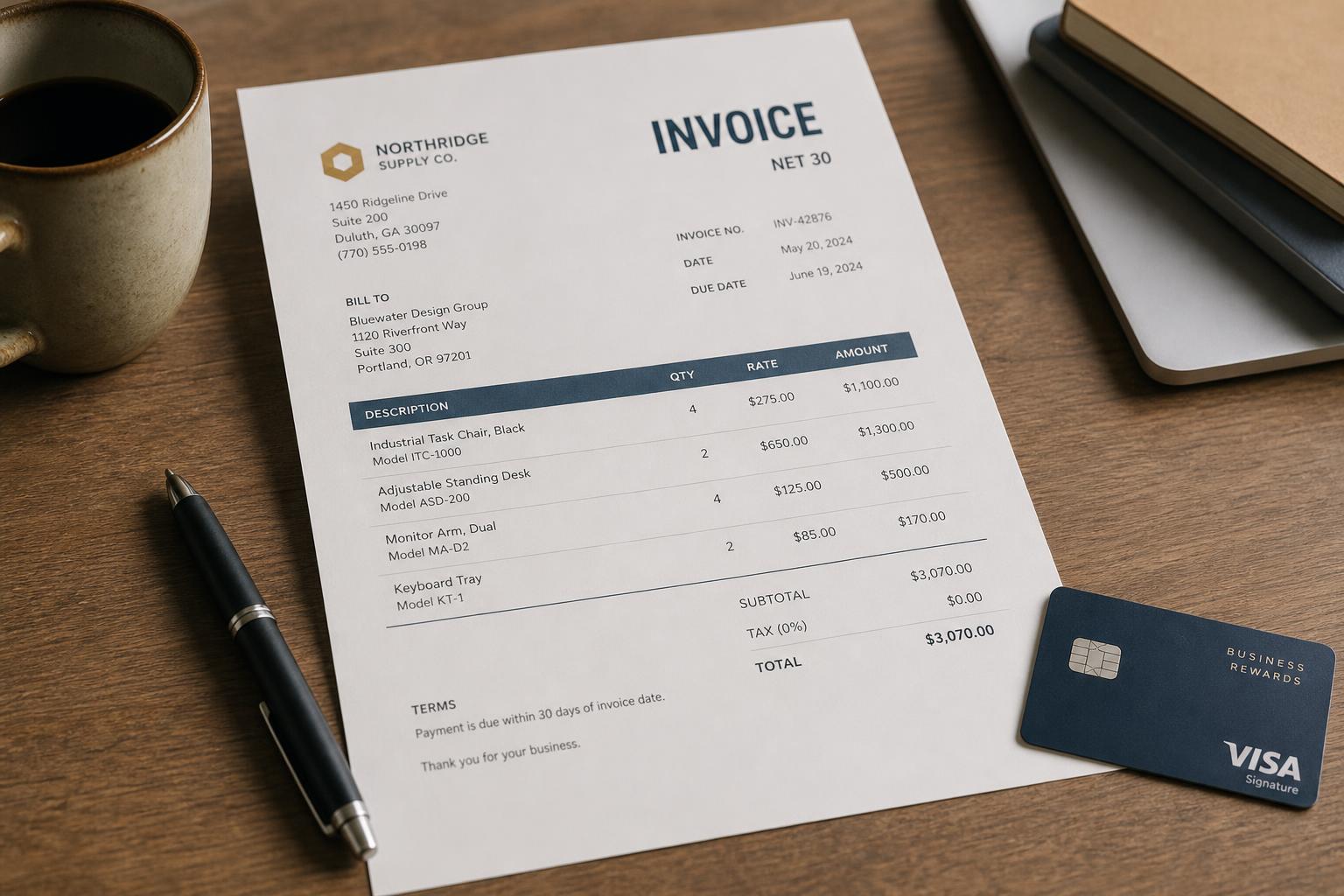
Now create activity that gets reported. Net-30 vendor accounts (suppliers who let you pay 30 days later and report your payments) are a classic starting point. Add a business credit card in the company’s name. Then do the obvious thing: pay early or on time, every time — payment history builds the profile.
Keep business and personal separate
This is the discipline that makes it all work. Run business expenses through business accounts and cards, not personal ones. Mixing them muddies the business’s record, can weaken liability protection, and keeps the company tethered to your personal credit. Clean separation is what lets each profile stand on its own.
Monitor your business reports
Finally, keep an eye on your business credit the way you would your personal reports. Check them periodically for accuracy, make sure your good payment history is showing up, and correct errors. A strong, accurate business profile expands the funding and terms your company can access over time.
Key takeaways
- Business credit is a separate profile tied to your company, not your personal score.
- Set up the basics: a legal entity, an EIN, a business bank account, and a D-U-N-S number.
- Build history with net-30 vendor accounts and a business card — and pay on time.
- Keep business and personal finances cleanly separate so each profile stands alone.
- Monitor your business credit reports for accuracy as the profile grows.
Getting your business funding-ready?
A free 15-minute review looks at the personal credit lenders still check early on — and what may be worth strengthening as you build the business’s own profile. No obligation.
Free · about 15 minutes · no credit card · no obligation.
Sources: U.S. Small Business Administration (SBA) — establishing and building business credit. Requirements and bureau practices vary; this is general education, not financial or legal advice.