
Renting on your own
How to Rent an Apartment With Bad Credit and No Cosigner
Not everyone has someone to co-sign — and you shouldn’t have to. Here’s how to get approved for a rental on the strength of your own application, even with bad credit.
Quick answer
You can rent without a cosigner by giving a landlord other reasons to feel confident: strong, documented income; solid rental references; a larger security deposit; and proof you’ve handled obligations responsibly. With no cosigner, those levers do the convincing instead.
It also helps to know exactly what’s on your credit report before you apply — so you can correct errors and walk in ready to explain anything a landlord might flag.
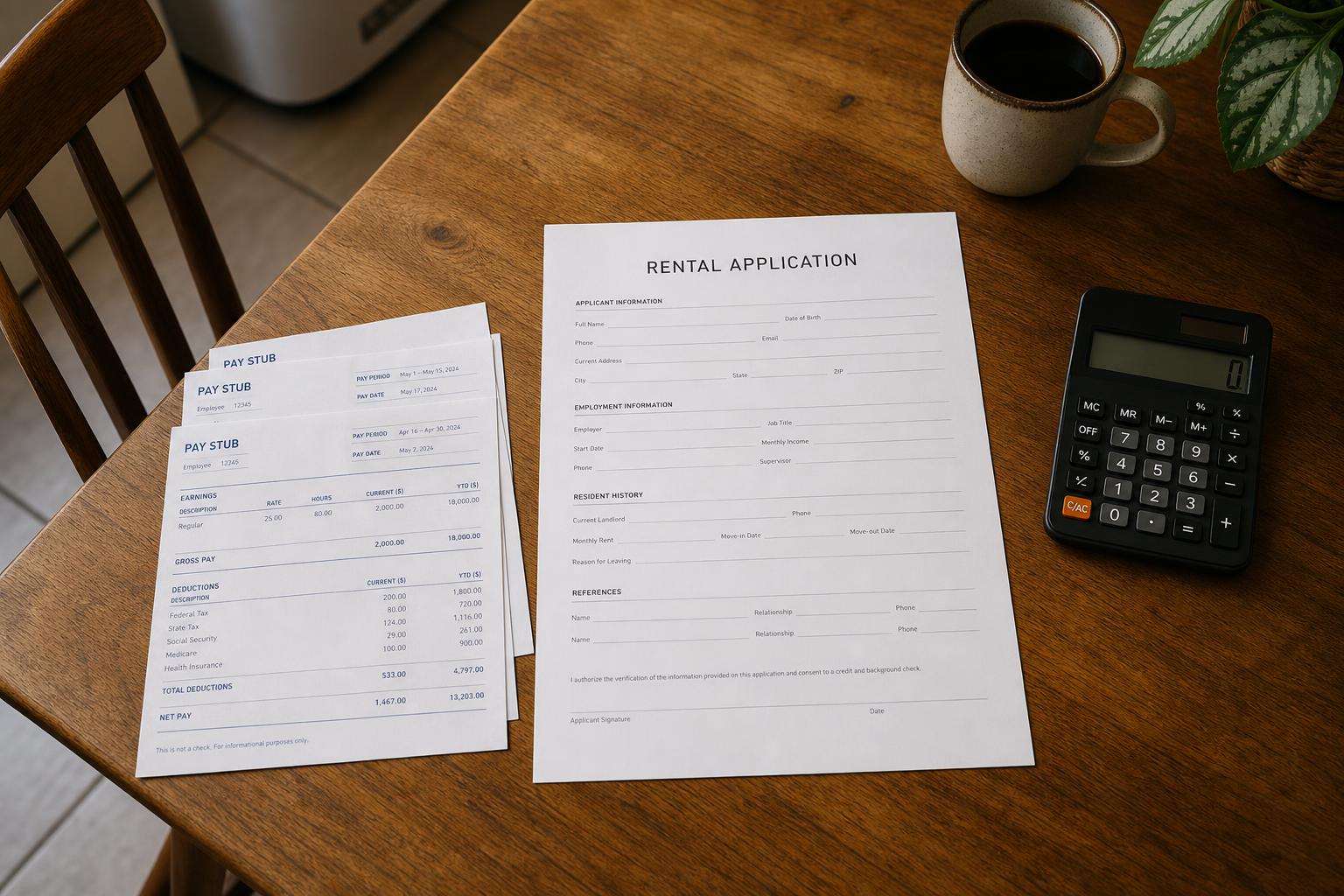
Can you rent without a cosigner if you have bad credit?
Yes. A cosigner is just one way to reassure a landlord that the rent will get paid — it’s not the only way. Plenty of renters with thin or damaged credit get approved on their own by making the rest of the application strong enough that a landlord doesn’t feel the need for a backup.
The goal is simple: replace the reassurance a cosigner would provide with evidence the landlord can see for themselves.
What landlords want instead of a cosigner
When there’s no cosigner, these are the levers that move a decision:
- Income. Most landlords look for monthly income around three times the rent. This is the single strongest signal.
- Rental references. A prior landlord confirming on-time payments offsets a weak score.
- A larger deposit or prepaid rent. Where state law allows, this directly reduces the landlord’s risk.
- Stability. Steady employment and time at your last address both help.
- An honest explanation. Context for a past problem, plus what’s changed, goes a long way.
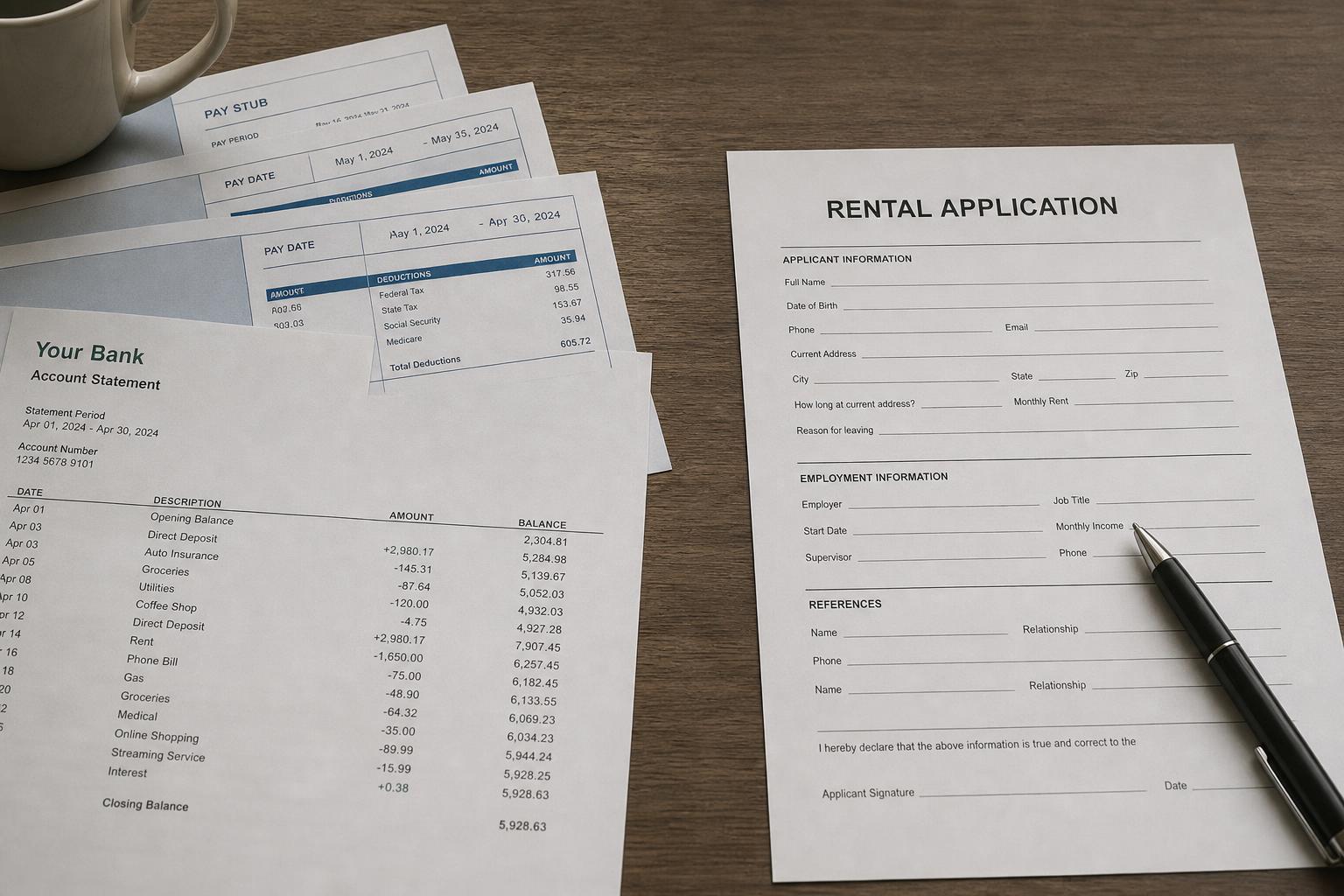
How to prove your income — even if it’s non-traditional
Documentation is what turns “trust me” into a yes. Bring what fits your situation:
- Employed: recent pay stubs, an offer or employment letter, and bank statements showing deposits.
- Self-employed or gig work: bank statements, a recent tax return, and invoices or platform earnings summaries.
- Other income: benefits, support, or assistance documentation also counts toward the income picture.
Organized, recent paperwork signals reliability before you say a word.
Offer a larger deposit or prepaid rent
If you can, offering an extra month’s deposit or a few months of rent up front is one of the most direct ways to win a hesitant landlord — it puts your money where the reassurance is. One caveat: some states cap how much a landlord can collect as a deposit, so an extra-large offer isn’t always permitted. Ask what’s allowed where you’re renting.
Find landlords who don’t require a cosigner
Where you apply matters as much as how. Large complexes with rigid, automated screening are the most likely to demand a cosigner or auto-reject a low score. Independent landlords, smaller property managers, and second chance apartments are far more likely to weigh your full application — income and references included — and skip the cosigner requirement.
Check and clean up your report first
Before you apply, find out what a landlord will actually see. Under the Fair Credit Reporting Act (FCRA) you can review your credit and tenant-screening reports and dispute anything inaccurate — and the Consumer Financial Protection Bureau (CFPB) notes those reports often contain errors. Correcting a mistake, or simply being ready to explain a real item, can be the difference between needing a cosigner and not. A free 15-minute review shows you where you stand.
What about a guarantor service?
If a landlord insists on a cosigner and you don’t have one, a third-party guarantor service can sometimes stand in for a fee (often a percentage of annual rent). It can unlock an approval, but weigh the cost — and read the terms — against simply targeting landlords who don’t require one in the first place.
What credit score do you need to rent without a cosigner?
There’s no single number. Some large complexes set a minimum score and won’t budge without a cosigner below it; many independent landlords don’t use a hard cutoff at all and weigh the whole application. The lower your score, the more the other factors — income, references, deposit — have to carry the decision.
Rather than fixate on the score, find out what’s actually on your report and whether any of it is inaccurate. A clean explanation and a corrected error often matter more to a landlord without a rigid policy than the three-digit number itself.
How to write a letter explaining your credit to a landlord
A short cover letter can do real work, especially when there’s no cosigner to lean on. Keep it to a few sentences and make it easy to say yes:
- Own it briefly. Name the issue (a past job loss, a medical event, an old collection) without over-explaining.
- Show what changed. Steady income now, on-time payments since, time at your last place.
- Back it with proof. Attach pay stubs, references, and bank statements.
- State your offer. A larger deposit or a few months prepaid, if you can.
Confidence and documentation reassure a landlord far more than a perfect score with no context.
How to build credit while you rent
Renting itself usually won’t build your credit, because most landlords don’t report payments — but you can change that. Some landlords or third-party rent-reporting services will add your on-time rent to your credit file for a fee; ask whether yours participates. Pair that with the basics that do move a score: a secured card or credit-builder loan used lightly and paid in full, low balances, and on-time everything. The goal is that your next lease application doesn’t have to be a no-cosigner scramble at all.
Can a roommate with good credit help you qualify?
Sometimes. If a roommate with strong credit is on the lease, their profile can offset yours in the landlord’s eyes — though it also means they’re on the hook for the rent, so it’s a real favor to ask. It’s different from a cosigner (who’s liable without living there); a co-tenant shares both the home and the responsibility. If you go this route, make sure everyone understands that one person’s missed payment can affect the whole lease — and everyone’s standing with the landlord.
Renting without a cosigner: do’s and don’ts
Do
Don’t
The bottom line
No cosigner is a hurdle, not a wall. Renters clear it every day by making the rest of the application undeniable — income, references, a deposit, and a clean explanation — and by applying where their whole story gets read.
Key takeaways
Before you reapply or pay another application fee, know what’s actually being reported. A free 15-minute review shows what may be hurting your application — and what to address first. See the free rental credit review →
Apply on your own strength — free review first
A free 15-minute review shows what’s on your credit report and what may be disputable — so you can apply prepared, with or without a cosigner.
Find Out Why I Was DeniedNo credit card · phone optional · no obligation.