Does Business Funding Check Your Personal Credit?
Many entrepreneurs are surprised that a business loan hinges on their credit, not just the company’s. Here’s why — and what to do about it.
You’re funding a business, so shouldn’t the business’s finances be what matters? Often, especially early on, lenders look hard at your personal credit too. Understanding why helps you prepare — and avoid an avoidable denial.
Why lenders check personal credit for a small business
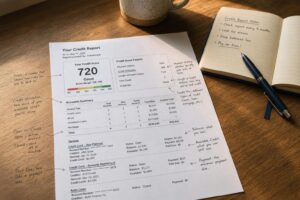
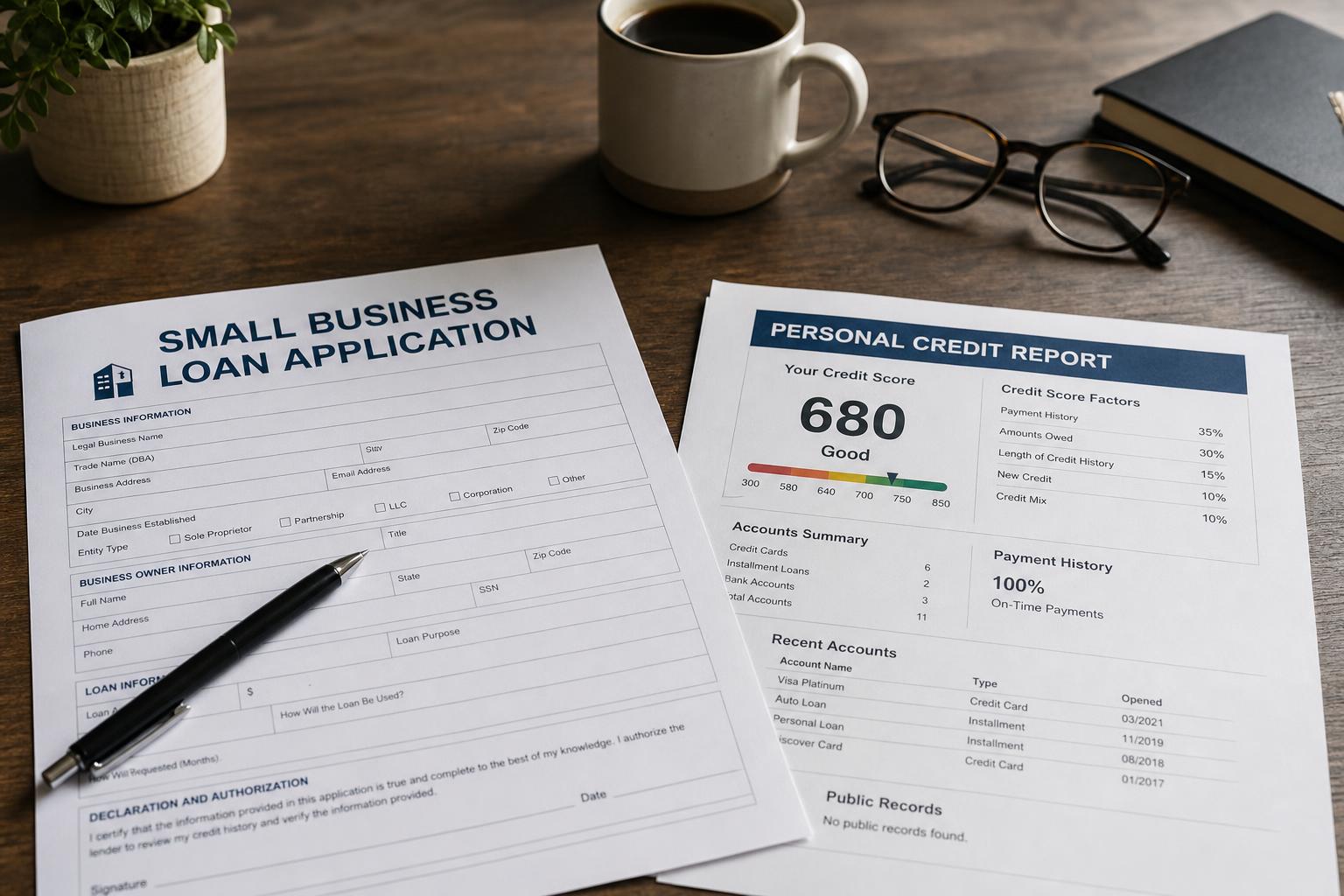
A young business has little or no credit history of its own, so a lender has nothing to judge it by. Your personal credit becomes the stand-in — it tells them how you handle obligations. The smaller and newer the business, the more weight your personal score and history carry; large, established companies with their own track record rely on it less.
Personal guarantees
Many small-business loans require a personal guarantee — you personally promise to repay if the business can’t. That’s why the lender pulls your credit: they’re effectively lending to you as well as the company. A personal guarantee means business debt can affect your personal finances, so read the terms carefully before signing.
When business vs. personal credit matters
Over time, a business can build its own credit profile (see how to start building business credit). As that profile matures — with trade lines, a business card, and a payment history — lenders and vendors lean on it more, and your personal credit matters less. Until then, expect personal credit to be central.
What a denial usually traces to
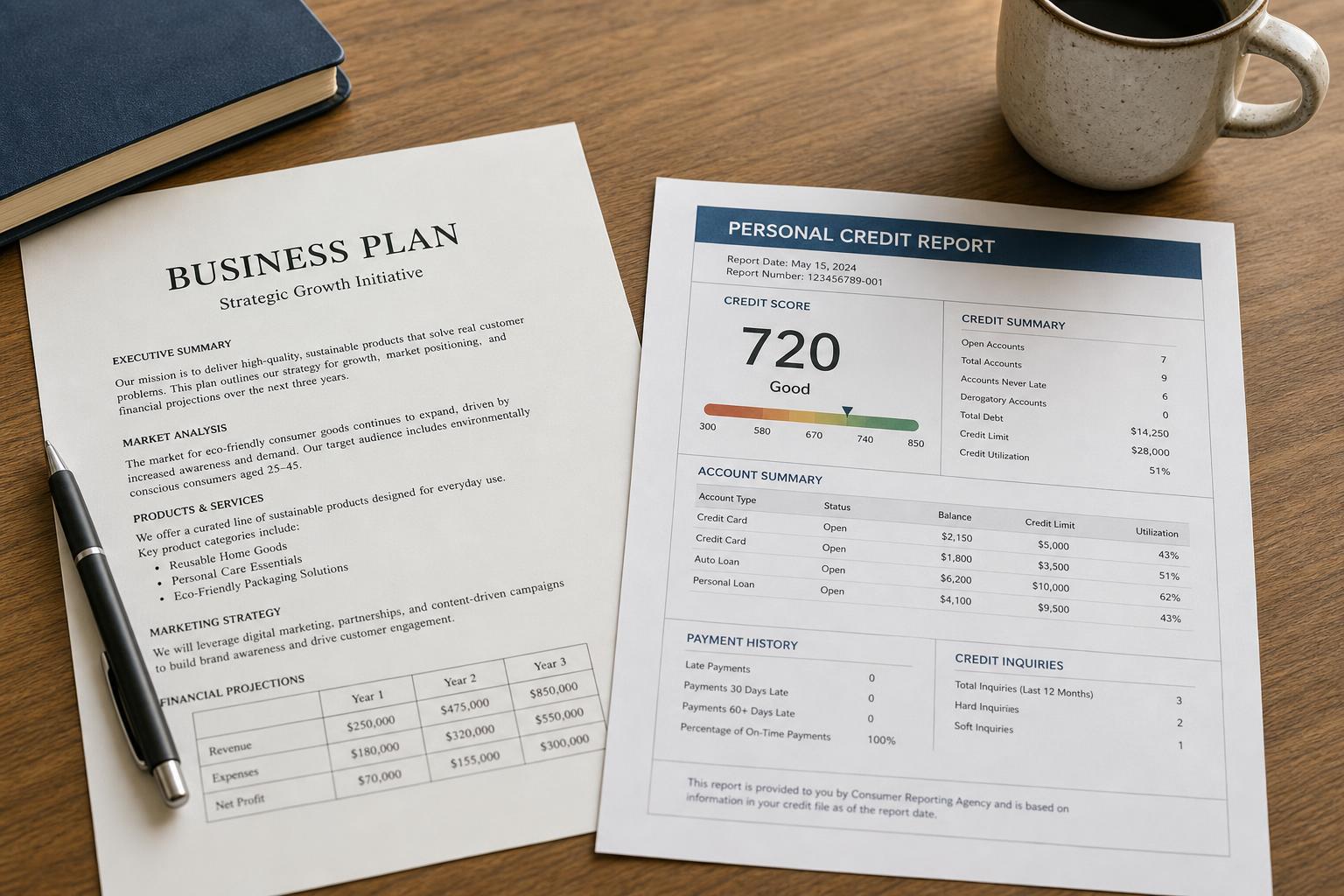
If you’re turned down for business funding, the reasons rhyme with personal lending: a low personal score, high personal debt, limited business or personal history, or insufficient revenue. As with any credit decision, you should receive a notice explaining the main reasons — the same starting point as a personal-loan denial. Read it and address what it flags.
Separating the two over time
The long-term goal is to build the business’s own credit so it can stand on its own — setting it up as a proper entity, establishing trade lines, and keeping business and personal finances cleanly separate. That protects your personal credit and expands what the business can qualify for down the road.
Key takeaways
- Most small-business funding checks your personal credit, especially for new businesses.
- A personal guarantee makes you personally responsible — which is why they pull your credit.
- As a business builds its own credit profile, personal credit matters progressively less.
- Denials usually trace to a low personal score, high debt, thin history, or weak revenue.
- Build separate business credit over time so the company can stand on its own.
Funding a business?
A free 15-minute review shows what a lender will see on your personal credit — and what may be worth addressing before you apply for business funding. No obligation.
Free · about 15 minutes · no credit card · no obligation.
Sources: U.S. Small Business Administration (SBA) and Consumer Financial Protection Bureau (CFPB) — small-business financing, personal guarantees, and credit. Lender requirements vary; this is general education, not financial or legal advice.