Legit Ways to Lower Your Car Insurance Premium
Car insurance creeps up quietly, but you have more levers than you think — and most of them are free to pull.
If your premium keeps climbing, you don’t have to just accept it. A handful of legitimate moves can lower what you pay — no gimmicks, no dropping coverage you actually need.
Here are the ones that actually work.
Shop and compare — it’s free
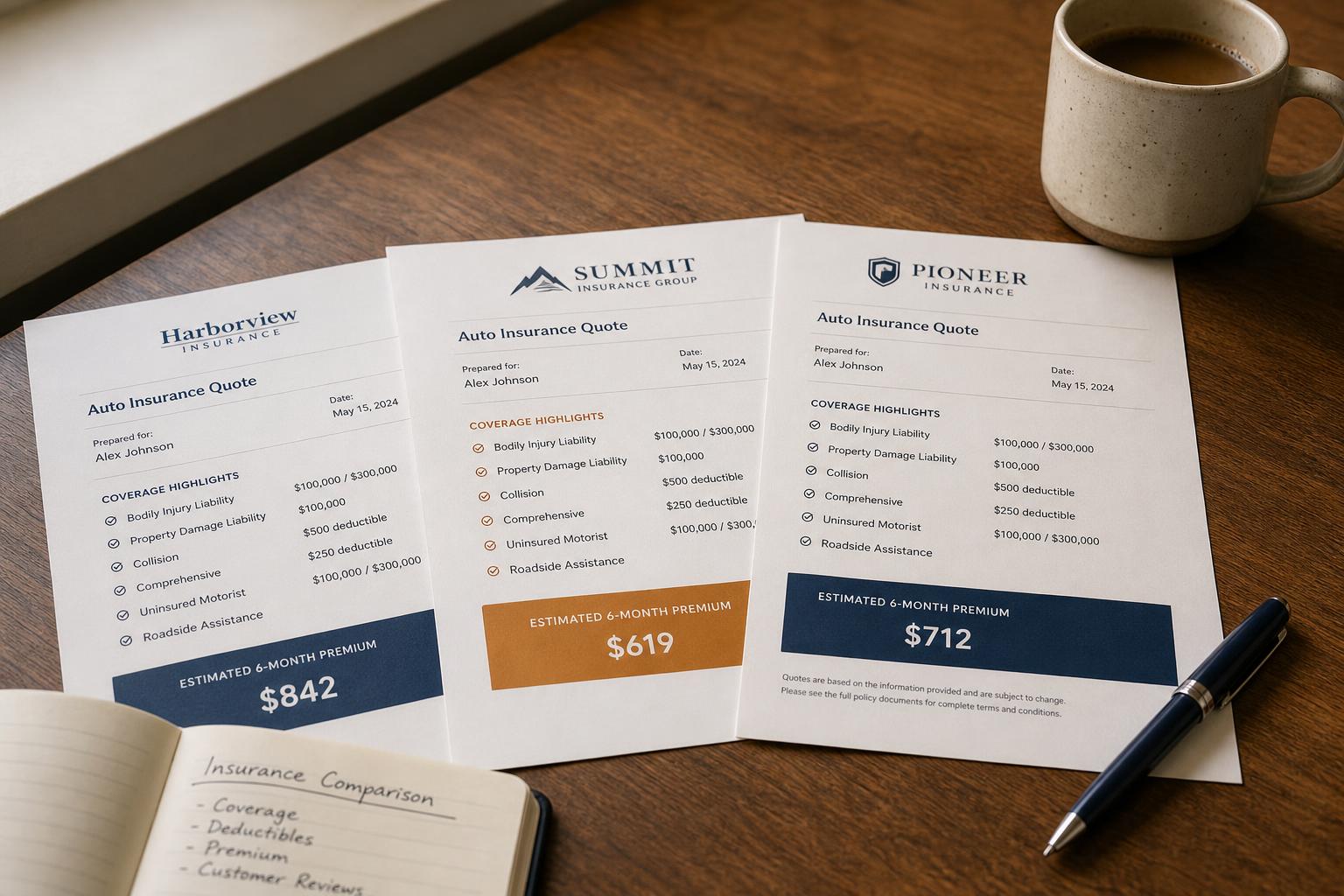
The single most effective step is also free: get quotes from several insurers. They weigh your profile differently, so the same coverage can vary widely in price. And because quotes use a soft inquiry, comparing them won’t hurt your credit. Re-shopping every year or two is the habit that keeps you from overpaying.
Bundle and adjust coverage or deductible
Bundling auto with home or renters insurance often earns a discount. Raising your deductible lowers your premium (just keep enough savings to cover it), and on an older car you can reconsider whether full collision/comprehensive still makes sense. Match your coverage to your actual risk — without going dangerously bare.
Claim the discounts you’re missing
Insurers offer many discounts people never ask for: safe-driver, low-mileage, good-student, defensive-driving courses, safety and anti-theft features, paperless billing, and paying in full. Ask your insurer to run through every discount you might qualify for — a few can add up.
The credit angle (where allowed)
In states that permit it, your credit-based insurance score affects your premium — so keeping your credit healthy can help. In states that ban or limit the practice, this lever won’t matter for insurance. Check whether your state allows it (see which states limit it).
Usage-based and telematics programs
Many insurers offer telematics or usage-based programs that track your driving (via an app or device) and reward safe, low-mileage habits with discounts. They’re worth considering if you drive carefully or not much — just understand what data is collected before enrolling.
Re-shop at renewal
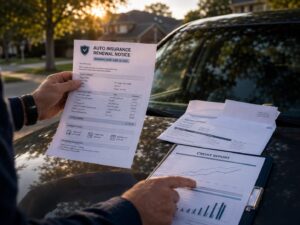
Loyalty rarely pays in insurance. Premiums drift up at renewal, so treat each renewal as a prompt to compare again. If your situation changed — you moved, paid off the car, improved your record — you may qualify for better rates elsewhere. If your rate jumped, our guide on why your rate keeps going up covers the usual causes.
Key takeaways
- Shop and compare several insurers — it’s free and the biggest lever.
- Bundle policies, raise your deductible thoughtfully, and right-size coverage on older cars.
- Ask for every discount — safe-driver, low-mileage, good-student, and more.
- Where allowed, healthy credit lowers your premium; where banned, it won’t matter.
- Consider usage-based programs, and re-shop at every renewal.
Is your credit affecting your premium?
Where credit is allowed in insurance pricing, a free 15-minute review shows what’s on your report and what may be worth addressing — one more lever on your rate.
Free · about 15 minutes · no credit card · no obligation.
Sources: National Association of Insurance Commissioners (NAIC) and Federal Trade Commission (FTC) — shopping for insurance, discounts, and usage-based programs. Availability varies by insurer and state; this is general education, not financial advice.