Buy-Here-Pay-Here vs. a Traditional Auto Loan
Buy-here-pay-here lots promise easy approval. A traditional loan asks more of you upfront — and usually costs far less. Here’s the honest comparison.
When your credit is rough, a buy-here-pay-here (BHPH) lot can look like the only door that’ll open. Sometimes it is — but it’s worth understanding exactly what you’re trading away versus a traditional auto loan.
Here’s how the two stack up.
How each one works
With a traditional auto loan, a bank, credit union, or lender finances the car and you repay them; the dealer and the financing are separate. With buy-here-pay-here, the dealership is the lender — you buy and finance in one place, and you usually make payments directly to the lot, sometimes weekly.
The approval-vs-cost trade-off
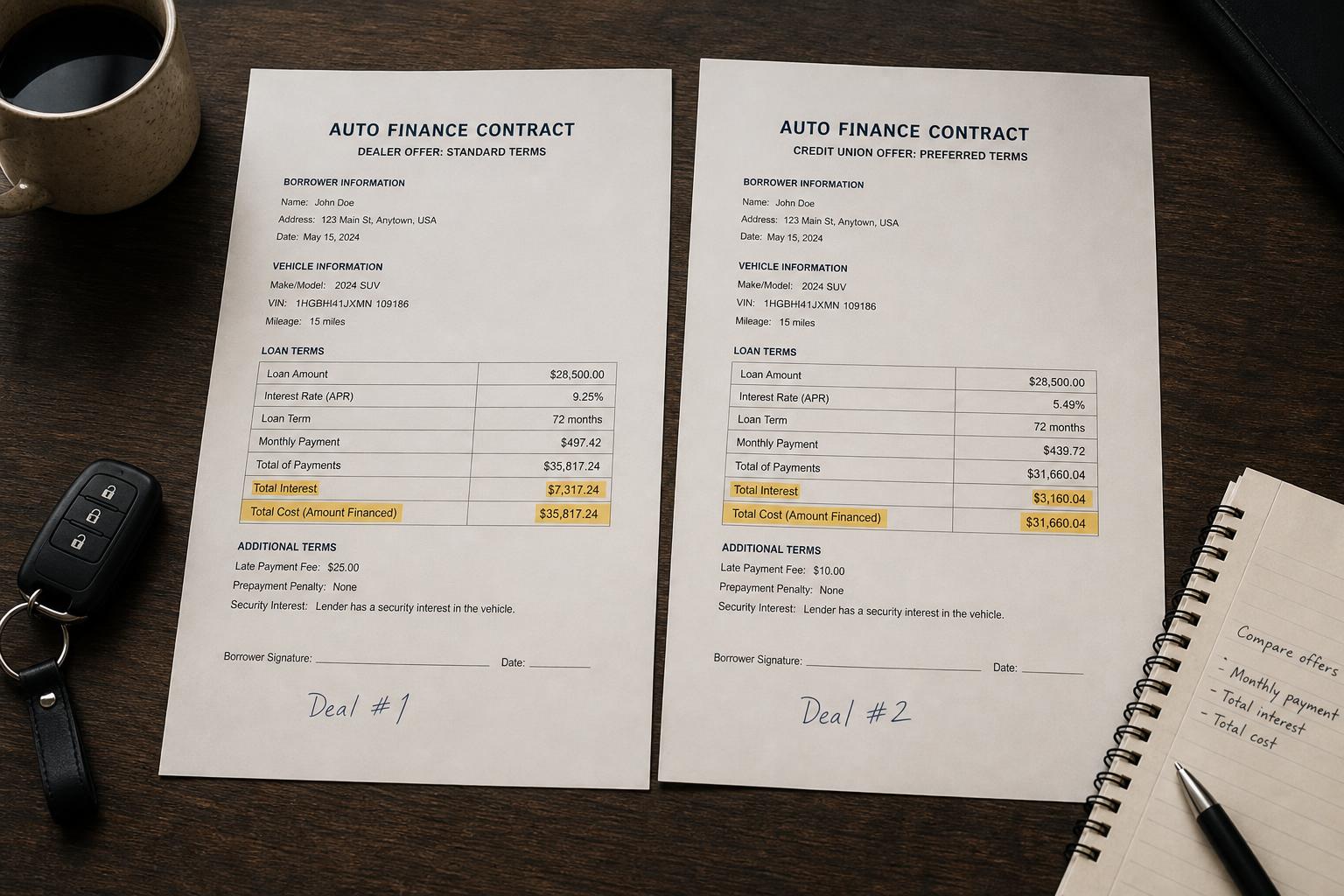
This is the heart of it. BHPH’s appeal is easy approval — little or no credit check — which is why it draws people who’ve been turned down elsewhere. The price of that approval is cost: much higher interest, older and higher-priced vehicles, and stricter terms. A traditional loan asks for better credit but charges far less.
Interest, markup, and the real price
BHPH financing often carries interest rates at the top of what state law allows, and the cars themselves can be marked up. Combine a high price with a high rate and the total cost can be far more than the same car would cost with conventional financing. Some lots also require frequent payments and may use devices that can disable the car if you fall behind.
Does it build credit? Often not
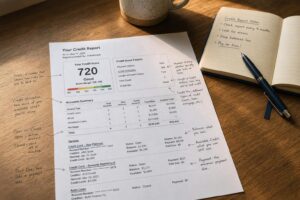
Here’s the part that surprises people: many BHPH dealers don’t report your payments to the credit bureaus. So even if you pay faithfully for years, you may build no credit history — defeating one of the main reasons someone with bad credit would want a car loan in the first place. A traditional loan almost always reports.
When buy-here-pay-here makes sense
It’s not always wrong. BHPH can make sense when you genuinely need a vehicle now, have exhausted better options, and go in clear-eyed about the cost. If you do, ask two questions first: does it report to the bureaus? and what’s the total price and rate? Get the answers in writing.
Better routes to try first
Before defaulting to BHPH, exhaust the alternatives: get pre-approved for a car loan with bad credit, try a credit union, save a larger down payment, or wait a few months while you strengthen your credit. Even a modest improvement can move you into real financing — and the savings can be large.
Key takeaways
- Traditional loans separate the dealer from the lender; with BHPH, the dealer is the lender.
- BHPH trades easy approval for much higher cost — rate, price, and terms.
- The total cost of a BHPH deal can far exceed conventional financing for the same car.
- Many BHPH lots don’t report payments, so you may build no credit.
- Exhaust pre-approval and credit unions first; if you use BHPH, confirm reporting and total cost in writing.
Before you settle for buy-here-pay-here
A free 15-minute review shows what’s on your credit and whether a small fix could open up real financing — and real savings. No obligation.
Free · about 15 minutes · no credit card · no obligation.
Sources: Consumer Financial Protection Bureau (CFPB) and Federal Trade Commission (FTC) — auto financing and buy-here-pay-here practices. Terms, rates, and reporting vary by dealer and state; this is general education, not financial advice.