
Before buy-here-pay-here
No Credit Check Car Lots: How They Work and What They Really Cost
“No credit check” and buy-here-pay-here lots can get you driving fast — but the convenience often hides a much higher total cost. Here’s what to know before you sign.
Quick answer
No credit check car lots — often called buy-here-pay-here (BHPH) — finance the car themselves instead of sending your application to an outside lender. That makes approval easy even with bad or no credit, but you typically pay a much higher interest rate, a large down payment, and a price that’s often above the car’s real value.
Before you commit, it’s worth knowing what’s actually on your credit report — because the same items that pushed you toward a no-credit-check lot may be addressable, and a traditional loan could cost far less over time.
Denied a car loan, or steered toward buy-here-pay-here? A free 15-minute review shows what’s on your report — and what may be workable first.
No credit card · phone optional · no obligation.

What is a no credit check car lot?
At a traditional dealership, your application goes to a bank, credit union, or finance company that checks your credit and sets the terms. A no credit check car lot skips that step: the dealer is also the lender. Because they carry the risk themselves, they don’t need your credit score to approve you — they need a down payment and proof you can make the payments.
Most of these are buy-here-pay-here (BHPH) dealers, where you buy the car and make payments directly to the lot rather than to an outside lender. It’s fast and forgiving on credit — and that convenience is exactly what you pay for.
How do buy-here-pay-here dealers work?
The model is built around control and risk. A few things are common:
- You pay the dealer directly, often weekly or biweekly, sometimes in person.
- A large down payment is usually required up front to reduce the dealer’s exposure.
- Payment-reminder or starter-interrupt/GPS devices are sometimes installed, which can disable or locate the car if you fall behind.
- Repossession can happen quickly after a missed payment, because the dealer holds the loan.
None of this is necessarily hidden, but it’s easy to skip past when you’re focused on driving off the lot today.
What do no credit check car lots really cost?
The sticker is only part of the story. Three things tend to make BHPH expensive:
- A high interest rate. Rates are often near the maximum your state allows — far above what a credit union charges a buyer with similar credit.
- A price above the car’s value. The vehicle may be marked up well over typical market pricing.
- A short, intense payment schedule. Frequent payments plus a big down payment mean you sink a lot of cash in quickly.
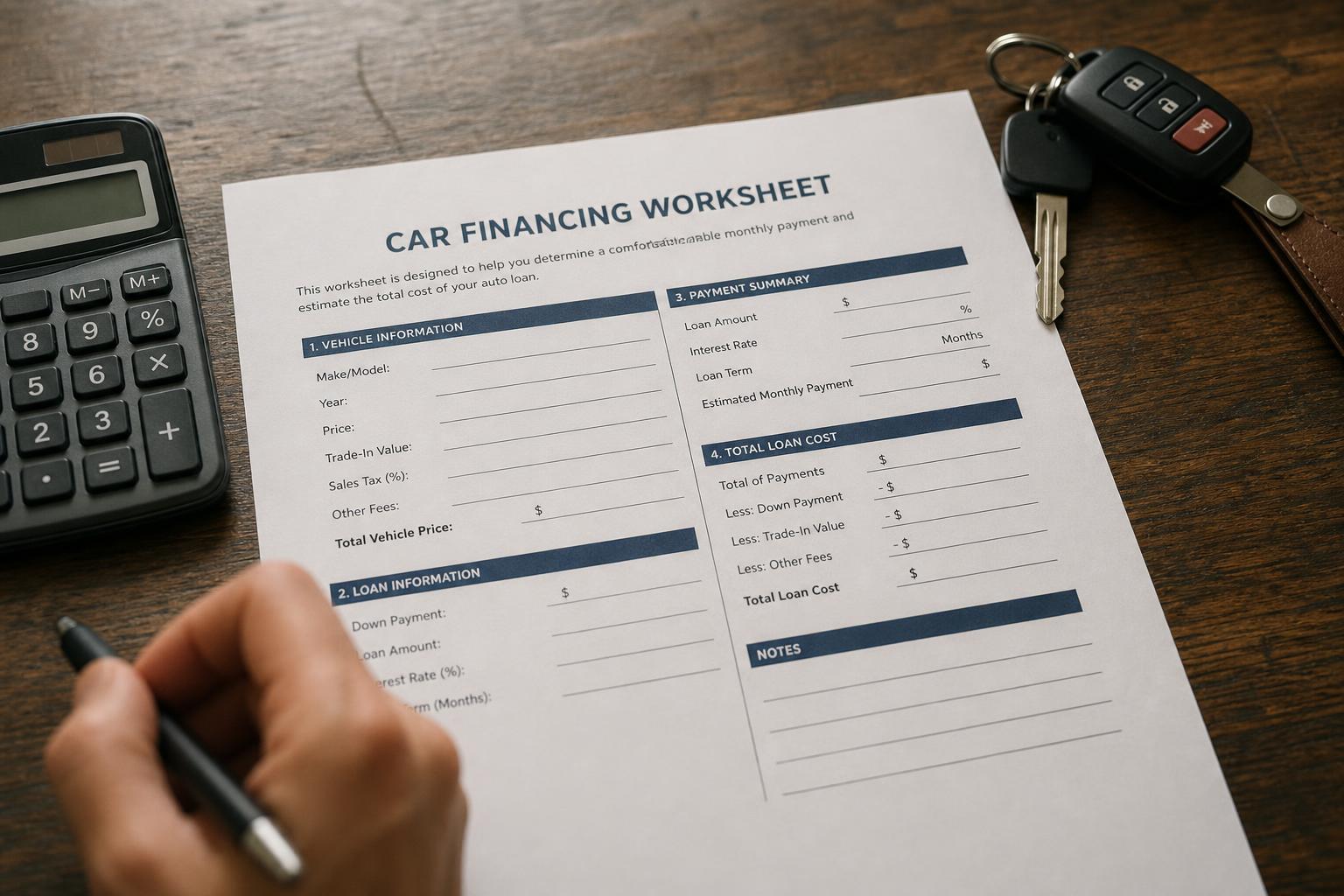
Always ask for the total of payments — the full amount you’ll have paid by the end — not just the weekly figure. That number is what reveals the real cost.
Do buy-here-pay-here loans build your credit?
Often, no — and this surprises people. Many BHPH dealers don’t report your on-time payments to the credit bureaus, so months of paying faithfully may do nothing for your score. Some, however, will report a default or repossession, meaning the downside is on your report even when the upside isn’t.
If building credit is part of your goal, ask the dealer directly — in writing — whether they report to all three bureaus before you sign. If they don’t, the loan isn’t moving you toward better financing later.
Risks to watch for before you sign
BHPH can be legitimate, but the structure carries risks worth weighing:
Read these before you commit
Can you get a car loan with bad credit instead?
Often, yes — and it can cost much less. Credit unions and some banks offer auto loans to buyers with imperfect credit, frequently at far lower rates than a BHPH lot. A larger down payment, a co-signer, or simply waiting until you’ve addressed a few items on your report can move you into a better tier.
Auto lenders price loans off your credit tier, then look at a handful of specific items. A free 15-minute auto-credit review shows you what a lender is likely to see and what may be hurting your rate — so you can compare a real loan against the lot’s offer before you decide.
How much down payment do buy-here-pay-here lots require?
Expect to put real money down — often several hundred to a couple thousand dollars, or a set percentage of the price. The down payment is how the dealer reduces its risk on a no-credit-check deal, so it’s rarely optional, even if the exact figure is sometimes negotiable. Treat a very large required down payment as a signal of how the dealer views the loan’s risk — and how much the financing will ultimately cost you.
Before you hand over a deposit, make sure you’ve seen the full deal in writing: price, APR, term, and total of payments. A down payment shouldn’t be the thing that locks you into terms you haven’t reviewed.
What happens if you miss a payment?
At a buy-here-pay-here lot, the dealer holds the loan — so they can act fast. Many contracts allow repossession after a single missed or late payment, and some cars carry starter-interrupt or GPS devices that can disable or locate the vehicle. After a repossession you can also be left owing a deficiency balance — the gap between what you owed and what the car brought at auction.
And while many BHPH dealers don’t report your on-time payments, a default or repossession may still land on your credit report. Read the late-payment and repossession terms before you sign, and know exactly how many days late triggers action.
How to negotiate at a buy-here-pay-here lot
You have more room than the urgency suggests. Focus on the numbers that matter: the total of payments, the APR, and the price relative to the car’s actual value (look it up before you go). Try to negotiate the price down rather than just the weekly payment — a smaller payment stretched over a longer term can cost you more. Bring the largest down payment you can comfortably afford, since it reduces what you finance at a high rate. And be willing to walk away; a fair lot will keep talking, and that’s your strongest leverage.
Can you refinance a buy-here-pay-here loan?
Sometimes — and it can save real money. If you pay on time and your credit improves, a credit union or bank may refinance the loan at a much lower rate, cutting your total cost. Two catches: many buy-here-pay-here lots don’t report your payments, so the on-time history may not be building your score (ask, or use a separate credit-building tool), and refinancing only helps if the car isn’t worth far less than you still owe. Check your credit and the car’s value before you apply.
No credit check car lots: do’s and don’ts
Do
Don’t
Are no credit check car lots worth it?
If you genuinely need transportation now and have no other option, a fair BHPH deal can bridge the gap. But treat it as a last resort, not a default — the cost is real, and the credit benefit usually isn’t. A short look at your report first often reveals a cheaper path.
Key takeaways
Before you head back to the lot or sign a buy-here-pay-here deal, know what’s on your report. A free 15-minute review shows what may be affecting your approval and your rate — and what may be workable first. See the free auto-credit review →
See what’s affecting your car financing — free
A free 15-minute review shows what’s on your credit report behind a denial or a high rate — and a realistic plan before you head back to the lot.
Find Out Why I Was DeniedNo credit card · phone optional · no obligation.