
Renting without a credit check
No Credit Check Apartments: How They Work and What They Really Cost
When bad credit is the obstacle, a “no credit check” apartment can look like the easy answer. It can help — but the convenience usually has a price. Here’s the honest picture before you sign.
Quick answer
No-credit-check apartments skip the credit pull entirely, which helps if your credit is what’s standing in the way. But landlords don’t skip that step for free — they price the added risk back to you, usually through some mix of higher rent, a larger deposit, shorter or stricter lease terms, and fewer protections.
They’re a real option, not a free pass. Before you commit, it’s worth knowing what’s actually on your report — because the issue may be smaller or more fixable than you think, and a standard or second-chance rental could cost you less.
Denied a rental, or facing a credit check? A free 15-minute review shows what’s actually on your report — and what to address first.
No credit card · phone optional · no obligation.
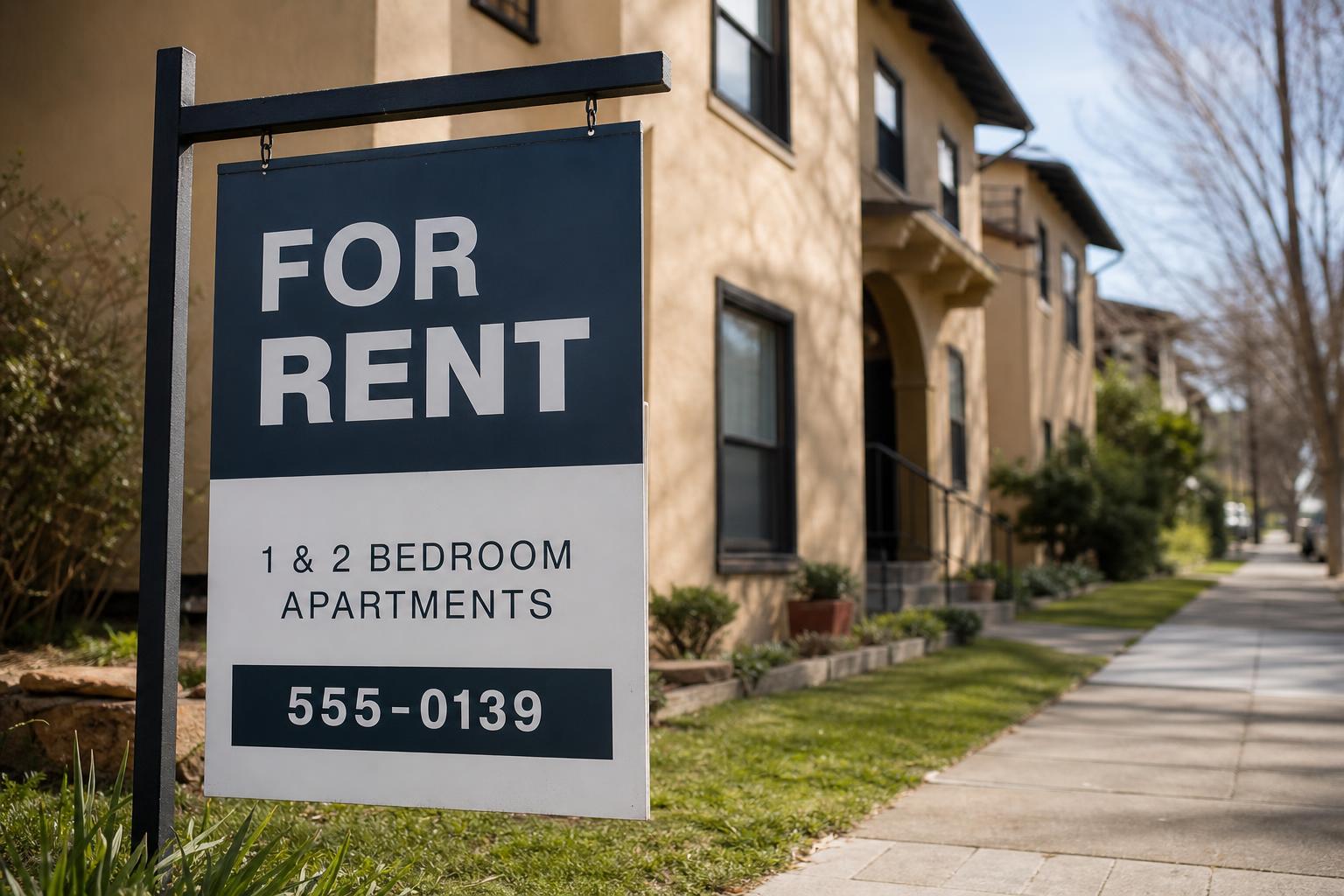
What is a no credit check apartment?
It’s exactly what it sounds like: a rental where the landlord doesn’t run your credit as part of the application. Instead of a credit score, they lean on other signals — your income, a larger deposit, references, or simply cash up front. These are almost always independent landlords or smaller properties; large complexes with automated screening rarely offer it.
How do no-credit-check apartments work?
Without a credit report to lean on, the landlord shifts the reassurance elsewhere. Expect more weight on:
- Proof of income — often a higher multiple of the rent than usual.
- A bigger deposit or several months’ rent up front.
- References from past landlords or an employer.
The pitch is speed and access. The catch is what you give up in exchange.
Why do no-credit-check apartments cost more?
When a landlord skips the credit check, they take on more uncertainty — and they price that uncertainty in. It tends to show up as some combination of higher rent, a larger deposit, a shorter or stricter lease, and fewer renter protections. You’re effectively paying a premium for not being screened. None of that makes it a scam; it just means the “no credit check” convenience isn’t free, and the total cost deserves a hard look.
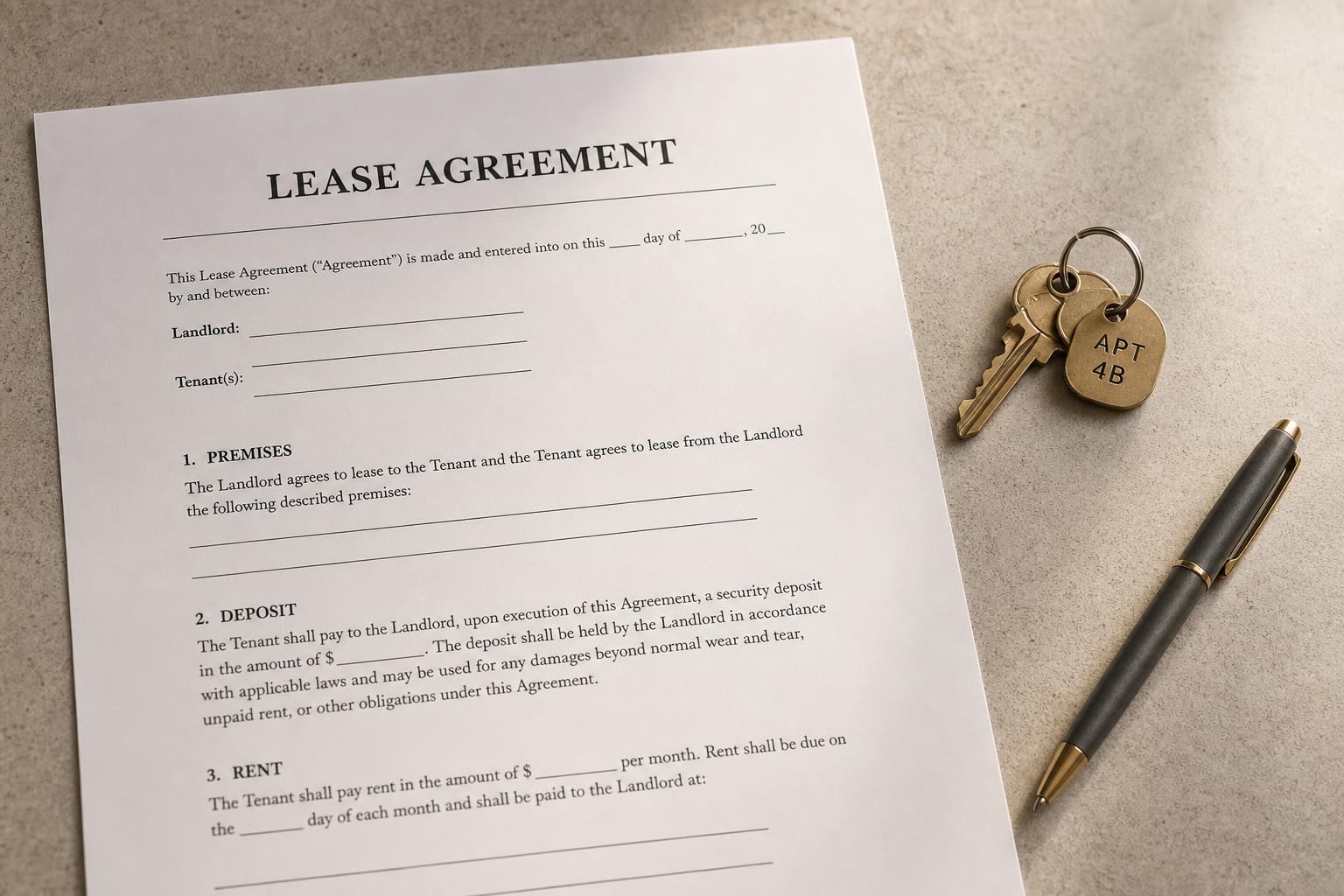
The hidden trade-offs of skipping the credit check
Beyond price, watch the fine print. No-credit-check units more often come with month-to-month-only terms (rent can change or you can be asked to leave on short notice), weaker maintenance or repair commitments, and less stability overall. The lower the bar to get in, sometimes the lower the protections once you’re there.
Do no-credit-check apartments build your credit?
Usually not. Most landlords — no-credit-check or otherwise — don’t report your rent payments to the credit bureaus, so paying on time may do nothing for your score. That’s the quiet downside: you can spend a year paying a premium and come out the other side with the same credit you started with. If building credit matters, ask whether the landlord reports, or look into a rent-reporting service.
Are no-credit-check apartments safe? Scams to avoid
Most are legitimate, but the “no credit check” crowd is a favorite target for rental scams. The FTC warns to be cautious when you see:
Red flags before you pay anything
No credit check vs. second chance apartments
They’re often confused. A no-credit-check apartment skips the screening; a second chance apartment still screens you but works with applicants other landlords reject. Second-chance rentals tend to be better value — you’re evaluated on your full picture rather than paying a flat premium to avoid the check. If your credit is the issue, second-chance is usually worth a look first.
Do you actually need a no-credit-check apartment?
Maybe not. People reach for “no credit check” assuming their credit is worse than it is — when the real obstacle is a single collection, an error, or a thin file that’s more workable than it feels. Before you pay a premium to dodge the screening, it’s worth seeing what a landlord would actually find. A free 15-minute credit review shows you what’s on your report and what may be inaccurate or disputable.
Better options if your credit is the obstacle
Before defaulting to a no-credit-check unit, consider:
- Strengthen the application — proof of income, references, and a larger deposit can win a standard lease.
- Dispute errors — under the Fair Credit Reporting Act (FCRA) you can challenge inaccurate items before applying.
- Target second-chance landlords who weigh your full story.
- Ask about a co-signer or guarantor where it makes sense.
How do you find legitimate no-credit-check apartments?
Look where individual owners post rather than relying on the big sites’ filters: local classifieds, community and neighborhood groups, and “for rent by owner” signs. Independent landlords and small multi-unit owners are the ones most likely to skip the credit check and judge you in person. Verify that whoever you’re dealing with is the actual owner or an authorized manager before you share anything — check property records if you can — and insist on touring the unit and signing a written lease. The legitimate ones won’t rush you or ask for money before you’ve seen the place.
What documents do you need for a no-credit-check apartment?
Because the landlord is leaning on everything except your credit, come over-prepared: a government ID, recent pay stubs or bank statements showing steady income (often a higher multiple of the rent), an employment or offer letter, and contact info for prior landlords. References — a former landlord or an employer who’ll vouch for you — carry real weight here. Having it all organized signals reliability, and it can be the difference between a yes and a “we’ll get back to you.”
What happens if you miss rent at a no-credit-check apartment?
The “no credit check” arrangement runs both ways. Most of these landlords don’t report your on-time payments to the bureaus — but an unpaid balance can still be sent to a collection agency, and that collection can land on your credit report. You could also face eviction, which may surface on tenant-screening reports for years. In other words, you get little credit upside while keeping the downside, so treat the rent as seriously as you would anywhere else.
No credit check apartments: do’s and don’ts
Do
Don’t
The bottom line
A no-credit-check apartment can be a genuine bridge when you need a place and credit is the wall — but it’s a premium product, not a bargain, and it won’t fix the underlying issue. Check what’s actually on your report first; the better-value path is often closer than the “no credit check” sign suggests.
Key takeaways
Before you reapply or pay another application fee, know what’s actually being reported. A free 15-minute review shows what may be hurting your application — and what to address first. See the free rental credit review →
See if you even need a no-credit-check lease — free
A free 15-minute review shows what’s on your credit report and what may be inaccurate or disputable — so you can compare a standard or second-chance rental before paying a premium.
Find Out Why I Was DeniedNo credit card · phone optional · no obligation.