
Medical debt & credit
Does HIPAA Remove Medical Collections From Your Credit Report?
“HIPAA dispute letters” that promise to erase medical collections are all over the internet. Here’s the honest answer on whether they work — and what actually does.
Quick answer
Mostly, no. HIPAA is a medical-privacy law — it governs how your health information is shared, not whether a debt can appear on your credit report. The popular idea of a “HIPAA dispute letter” that deletes accurate medical collections is largely a myth.
What actually helps is more boring and more effective: disputing genuine inaccuracies, using the credit bureaus’ medical-debt rules, and validating debts you don’t recognize.
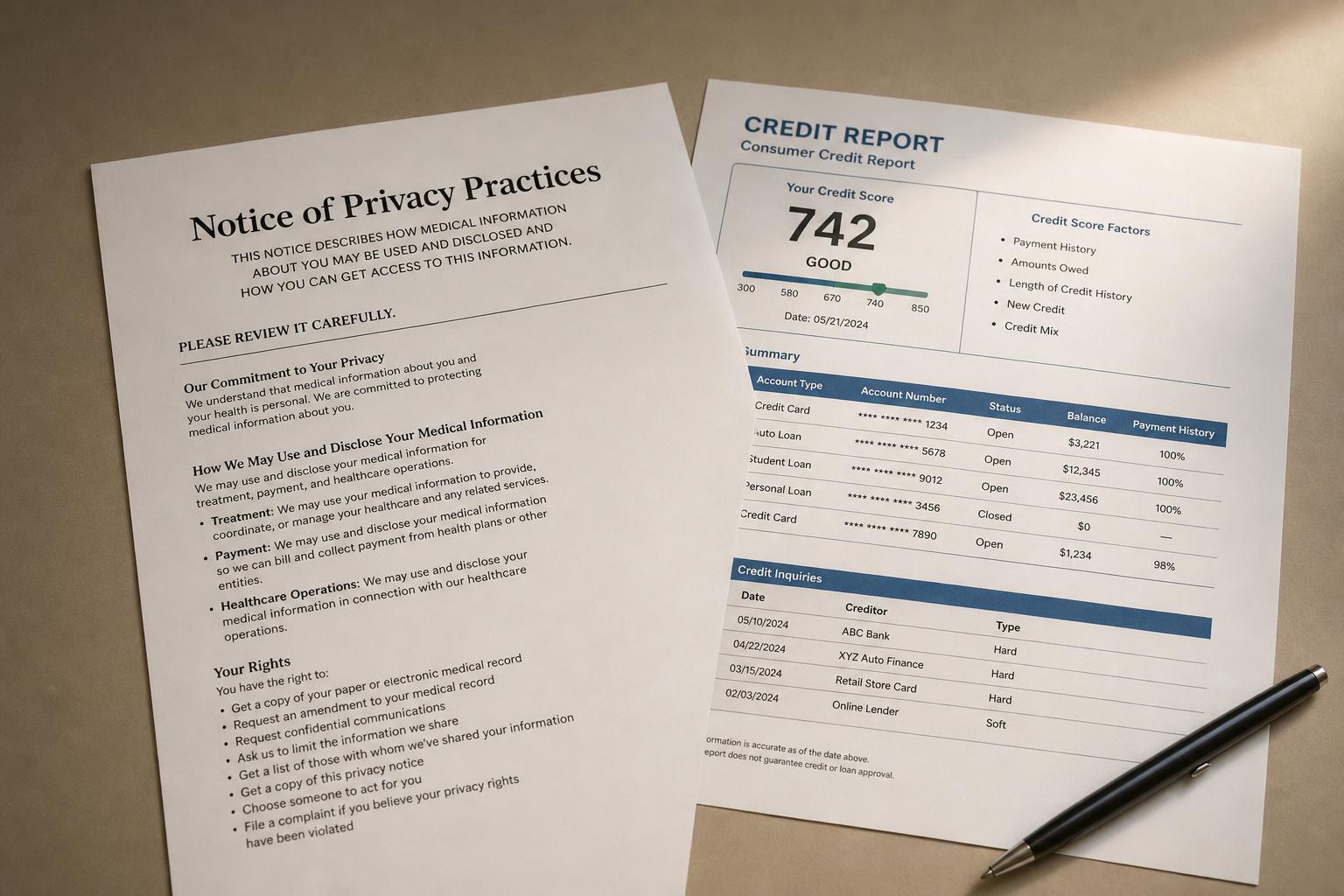
What is HIPAA, really?
HIPAA — the Health Insurance Portability and Accountability Act — is a privacy law. It sets rules for how healthcare providers and related entities handle and share your protected health information. It’s about confidentiality, not credit. Nothing in HIPAA says a validly owed medical debt can’t be reported to the credit bureaus.
The “HIPAA removes medical collections” myth
A popular online claim goes like this: because a collector handling your medical debt received your health information, you can send a “HIPAA dispute” demanding deletion or they’ve violated the law. It’s an appealing story — and it mostly doesn’t hold up. Collectors are generally permitted to handle the information needed to collect a debt, and a privacy framework doesn’t erase an accurate credit entry.
Why HIPAA usually can’t delete an accurate collection
Two different systems are at work. Whether a debt can be reported is governed by the Fair Credit Reporting Act (FCRA); whether your health information was handled properly is governed by HIPAA. Even a genuine privacy concern doesn’t automatically make an accurate debt disappear from your report — the two don’t cancel each other out.
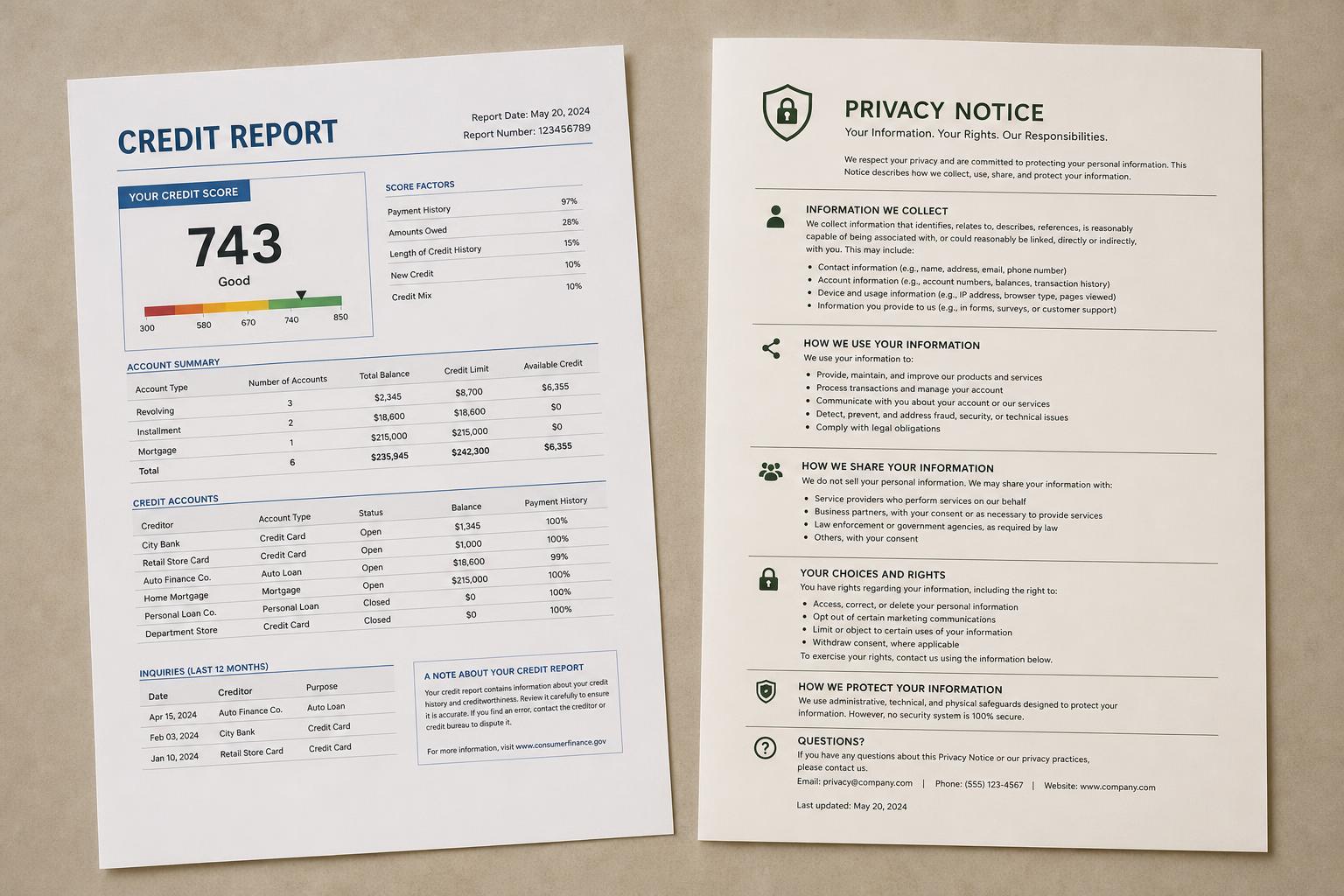
Can a HIPAA issue ever matter for a collection?
Rarely, and not as a reliable strategy. If a debt is genuinely inaccurate, that’s an FCRA dispute on its own merits — you don’t need a HIPAA theory. Real HIPAA violations are handled through a separate complaint process and aren’t a credit-removal mechanism. Treating “HIPAA” as a magic word for deletion sets you up for disappointment.
What actually gets medical collections off your report
The legitimate paths are well established:
- Dispute inaccuracies under the FCRA — wrong amounts, duplicates, paid debts, accounts that aren’t yours.
- Use the bureau rules — paid and under-$500 medical collections come off; unpaid ones wait about a year.
- Validate a debt you don’t recognize under the FDCPA.
Our step-by-step guide is How to Get Medical Collections Removed.
Do credit-repair companies use HIPAA letters?
Some do — and it’s worth understanding why that’s a caution flag rather than a selling point. A handful of operations build their pitch around “HIPAA dispute” templates, sometimes charging for letters that mostly restate what a free FCRA dispute already does. Mailing volumes of boilerplate can even backfire: bureaus may treat near-identical, templated disputes as frivolous and decline to investigate them in depth.
An honest approach doesn’t lean on a privacy-law loophole. It checks whether each medical collection is accurate and eligible to report, then disputes the ones that genuinely aren’t — exactly what the law already lets you do for free.
HIPAA dispute vs. FCRA dispute: what’s the difference?
They aim at different targets. An FCRA dispute challenges the accuracy of what’s on your credit report — wrong amount, paid, duplicate, not yours — and the bureau must investigate. A “HIPAA dispute” tries to argue a privacy violation should force removal, which generally isn’t how credit reporting works. If a medical collection is inaccurate, the FCRA route is the one with teeth; the HIPAA framing usually just adds noise to a dispute that would succeed or fail on accuracy alone.
Can a debt collector legally see your medical information?
To an extent, yes — which is why the “they violated HIPAA by handling my debt” argument usually fails. Collecting on a medical debt involves sharing the information needed to do so, and that’s broadly permitted. What collectors must still do is report accurately and follow debt-collection law (the FDCPA), including validating a debt you don’t recognize. So the productive questions are “is this accurate?” and “can you validate it?” — not “did you touch my medical data?”
Be careful with “HIPAA letter” services and templates
Where there’s a myth, there are people selling it. Be cautious when something:
Warning signs around HIPAA-deletion offers
The honest bottom line
HIPAA protects your medical privacy; it isn’t a back door to deleting a valid medical collection. Skip the “HIPAA letter” rabbit hole and use what works — accuracy disputes, the bureau rules, and validation. It’s less exciting and far more effective.
Key takeaways
Before you pay or settle a medical bill, confirm what’s actually reporting. A free 15-minute review shows what may be inaccurate, outdated, or disputable — before you act. See the free medical-debt review →
Skip the myths — see what’s really disputable
A free 15-minute review helps you find the medical collections that are genuinely inaccurate or shouldn’t be reporting — the items actually worth challenging.
Find Out Why I Was DeniedNo credit card · phone optional · no obligation.